Author: Hyundai Heat Pump
Published on: 24 July 2026
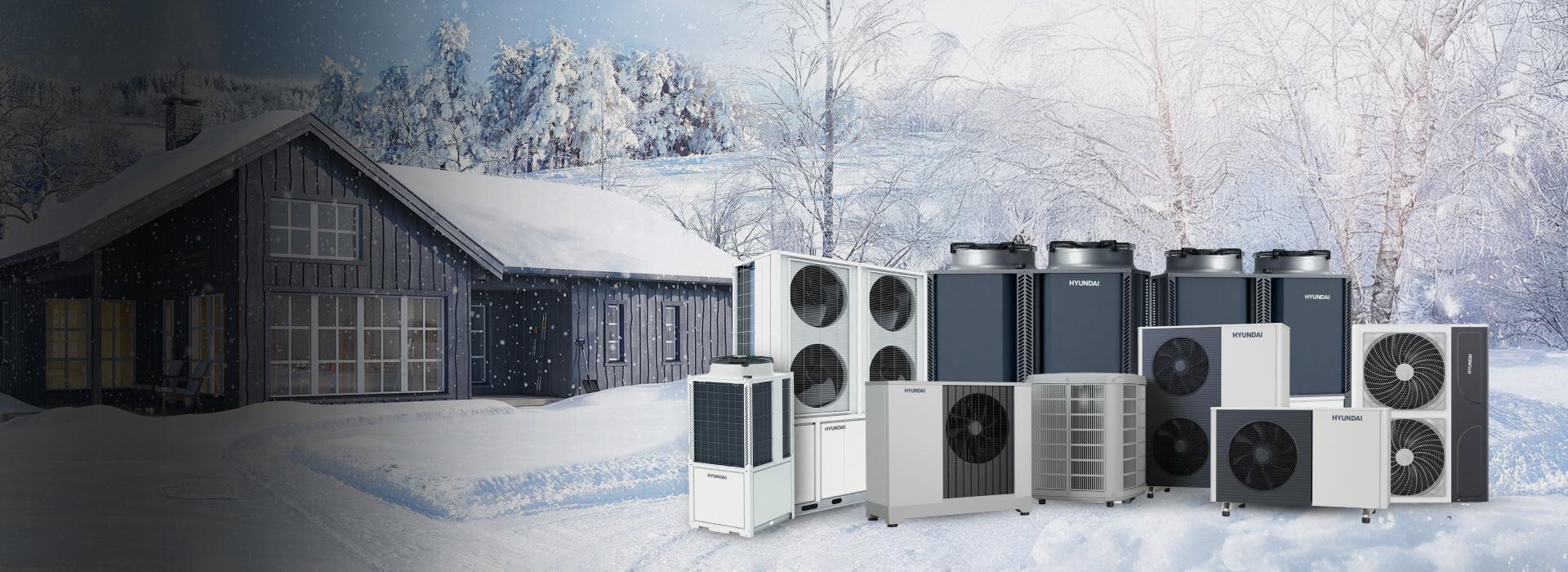
Factories, hotels and hospitals across India spend lakhs every year heating water with diesel, LPG or electric boilers. A heat pump for industrial use does the same job while pulling three to four times more heat out of every unit of electricity. This guide explains how these systems work, what they cost, which type fits your site, and how to choose a supplier you can trust.
An industrial heat pump is a machine that moves existing heat from air, water or the ground into your process water instead of burning fuel to create heat. It runs on electricity, delivers water between 55°C and 80°C, and serves continuous commercial loads. Capacities usually start near 10 kW and scale past 500 kW through multiple units.
Domestic models heat a small tank for a family. Industrial models run all day, feed multiple outlets, and survive dust, vibration and heat inside working plants. The engineering, controls and service expectations are completely different.
Scale changes everything about specification. Sizing a plant system from a residential datasheet is the fastest route to disappointing performance. Compare the domestic hot water heat pump range against industrial models before deciding.
An industrial heat pump works on a refrigeration cycle running in reverse. A refrigerant absorbs low-grade heat from the surrounding air or waste water, a compressor raises its pressure and temperature, and a condenser passes that heat into your water. The refrigerant then expands and repeats the loop continuously.
The cycle has four components: evaporator, compressor, condenser and expansion valve. Each one changes the refrigerant's pressure or state so heat keeps flowing in one direction.
That efficiency multiplier is the whole point. A boiler can never exceed one unit of heat per unit of fuel. For a component-level walkthrough, read our explainer on how a heat pump works.
Industrial heat pumps are used anywhere a site needs large volumes of hot water or warm air at moderate temperatures. Common applications include dairy cleaning, textile dyeing, food processing, hotel guest water, hospital sterilisation, pharmaceutical utilities, drying rooms and swimming pools. Any load under 80°C is a strong candidate.
Sites that currently burn diesel or LPG for hot water see the biggest change. High usage hours matter more than peak size, because savings accumulate per operating hour.
Steady demand equals steady savings. Sites running two or three shifts recover their investment fastest, since the equipment works nearly around the clock.
The three types are air source, water source and ground source. Air source units take heat from outdoor air and suit most Indian sites. Water source units draw heat from bore wells, ponds or process effluent. Ground source units use buried loops in stable soil temperature.
India's warm climate favours air source systems, because ambient air stays above 15°C for most of the year in most regions. Higher source temperature means higher efficiency without extra civil work.
Source selection decides both cost and performance. Our detailed piece on air source heat pumps in India covers regional climate performance in depth.
Yes. Heat pumps work extremely well in commercial buildings because these sites need constant hot water and often need cooling at the same time. Hotels, hospitals, malls, offices, hostels and gyms all install them to replace boilers and electric geysers. Many buildings also earn green rating credits for the switch.
Rooftops and service yards are the usual locations. Units connect to buffer tanks that cover morning and evening demand spikes without oversizing the machine.
Commercial buyers often compare these systems against conventional cooling equipment first. Our comparison of heat pump vs air conditioner explains where the two technologies overlap and where they do not.
Commercial heat pump cost depends on capacity, outlet temperature, refrigerant type and installation complexity. Equipment is the largest line item, followed by tanks, piping, pumps and civil work. Most Indian projects replacing diesel or LPG report payback within two to four years, then continue saving for the equipment's remaining life.
Pricing moves with kilowatt capacity and the temperature you need. Pushing outlet water above 70°C requires different compressors and raises cost meaningfully.
Judge the total cost of ownership, not the quotation alone. Our energy cost savings breakdown shows how running cost differences compound across a decade.
Choose based on your actual load profile, not on headline capacity. Measure peak hot water demand, required outlet temperature and daily operating hours first. Then compare COP figures tested at your ambient conditions, check local service coverage, and confirm warranty terms in writing before ordering.
Vendors quote COP under different test conditions, which makes numbers look better than they are. Ask every supplier for performance at the same ambient and outlet temperature.
| Feature | Air Source | Water Source | Ground Source |
|---|---|---|---|
| Heat source | Outdoor ambient air | Wells, ponds, process effluent | Buried ground loops |
| Typical COP | 3.0 to 4.5 | 4.0 to 5.5 | 4.0 to 5.0 |
| Installation cost | Lowest | Moderate | Highest |
| Civil work needed | Minimal | Moderate | Extensive drilling |
| Space required | Rooftop or yard | Near water source | Large land area |
| Seasonal variation | Some in cold months | Very low | Very low |
| Best For | Most Indian factories, hotels, hospitals | Sites with steady water source | Large campuses with land available |
Browse the full industrial heat pump range to match these specifications against real model capacities.
Refrigerant choice affects efficiency, outlet temperature and long-term legal compliance. Older refrigerants like R134a and R410A carry high global warming potential and face phase-down schedules under the Kigali Amendment. R290 propane has a global warming potential of about three, and reaches higher water temperatures efficiently.
R290 is flammable, so it requires correct charge limits, outdoor placement and proper clearance. Handled to standard, it is used safely in thousands of commercial installations worldwide.
Buying a high-GWP unit today can mean an expensive replacement later. Read more about R290 green refrigerant technology and why it is becoming the industry default.
Sites replacing diesel or LPG boilers typically report 50% to 70% lower heating energy cost. Plants replacing electric immersion heating usually save 60% to 75%, since a heat pump delivers roughly three times more heat per unit consumed. Actual results depend on ambient temperature, outlet temperature and daily running hours.
Baseline data before installation is what makes a savings claim credible. Without it, finance teams will question every number in the report.
The Bureau of Energy Efficiency (opens in new tab) publishes efficiency benchmarks that help frame these calculations for Indian industrial users.
"Our dyeing unit was burning through diesel every single week for hot water. After the switch, the monthly heating bill dropped by more than half and the payback worked out to under three years." — Rajesh Menon, Plant Manager, Tiruppur, Tamil Nadu
"We run 84 rooms plus a laundry, so hot water never stops. The heat pumps handled the morning peak better than our old LPG boiler, and guests stopped complaining about temperature drops." — Priya Deshmukh, Operations Head, Pune, Maharashtra
"Sterilisation and ward hot water are non-negotiable for us. Staging four units gave us redundancy we never had with a single boiler, and the electricity cost still came down." — Dr. Anand Krishnan, Facility Director, Kochi, Kerala
The Indian market includes global brands with local assembly, established HVAC manufacturers and specialist heat pump companies. Judge suppliers on installed base, service network reach, published COP data and refrigerant roadmap. A strong local service team matters more than brand recognition when a compressor fails mid-shift.
Written answers protect you later. Verbal assurances about service response times rarely survive the first breakdown.
Supplier selection determines your next ten years of uptime. Learn more about Hyundai Heat Pumps India and the industrial systems built for Indian site conditions.
Check available space, structural load capacity, electrical supply, water quality and service access before finalising any order. Most performance complaints trace back to installation shortcuts rather than equipment faults. Poor pipe insulation, undersized buffer tanks and blocked airflow destroy efficiency on otherwise capable machines.
Airflow clearance and pipe insulation are the two most common oversights. Both are cheap to fix during design and expensive to correct afterwards.
A proper site survey costs nothing compared to a rebuilt installation. The Ministry of New and Renewable Energy (opens in new tab) also publishes guidance on efficient thermal systems worth reviewing during planning.
What are industrial heat pumps used for? They supply hot water and warm air for dairy cleaning, textile dyeing, food processing, hotel guest water, hospital sterilisation, pharmaceutical utilities, drying rooms and swimming pools. Any heating load below 80°C is generally suitable.
Can heat pumps be used in commercial buildings? Yes. Hotels, hospitals, malls, offices, hostels and gyms use them to replace boilers and electric geysers. They handle continuous hot water demand and often qualify for green building rating credits.
What are the three types of heat pumps? Air source, water source and ground source. Air source draws heat from outdoor air, water source from wells or effluent, and ground source from buried loops. Air source suits most Indian sites.
How much do commercial heat pumps cost? Cost varies with capacity, outlet temperature and installation complexity. Equipment, tanks, piping and civil work all contribute. Most projects replacing diesel or LPG report payback within two to four years of operation.
What is the industrial heat pump working principle? A refrigerant absorbs low-grade heat in the evaporator, a compressor raises its pressure and temperature, and a condenser transfers that heat to water. An expansion valve resets the cycle continuously.
Do heat pumps work during Indian winters? Yes. Most Indian regions stay well above the minimum operating temperature year round. Performance drops slightly in northern winters, so systems are sized for the coldest expected ambient conditions.
A heat pump for industrial use replaces fuel burning with heat moving, and that single change cuts heating energy cost by half or more on most Indian sites. The right choice comes down to load profile, outlet temperature, refrigerant and service support. Get those four right and the economics take care of themselves.
Share your hot water demand and process temperature, and our engineers will size a system and estimate payback for your plant. Talk to an engineer to start the site assessment.
No related articles found.

Dehumidifier vs Air Conditioner: Which Is Right for You?
24 July 2026

Pool Heater: Heat Pump vs Solar vs Gas Compared │ Hyundai
23 July 2026

Heat Pump ROI Calculator in India: Payback Guide
17 July 2026

Air-to-Water vs Air-to-Air Heat Pump Explained │ Hyundai
10 July 2026

Domestic vs Commercial Heat Pump Water Heater
10 July 2026
Heat Pump vs AC: Which Is Better for Indian Homes?
01 June 2026
No related articles found.