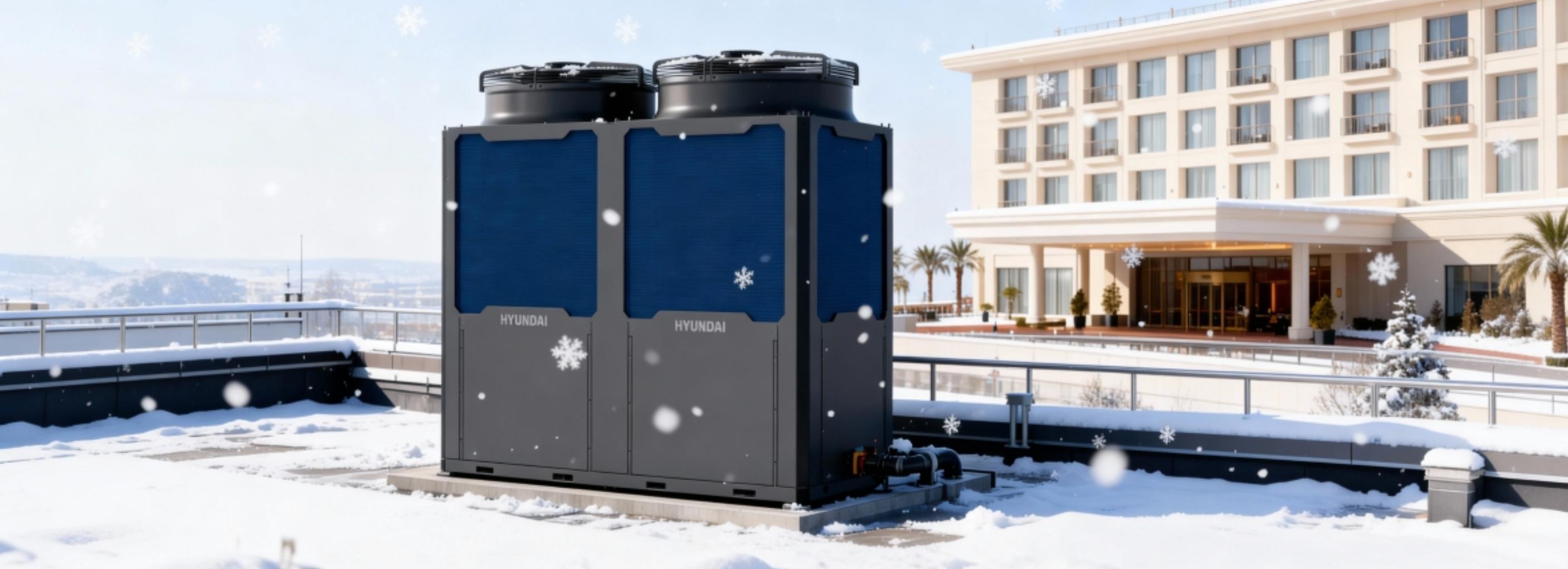
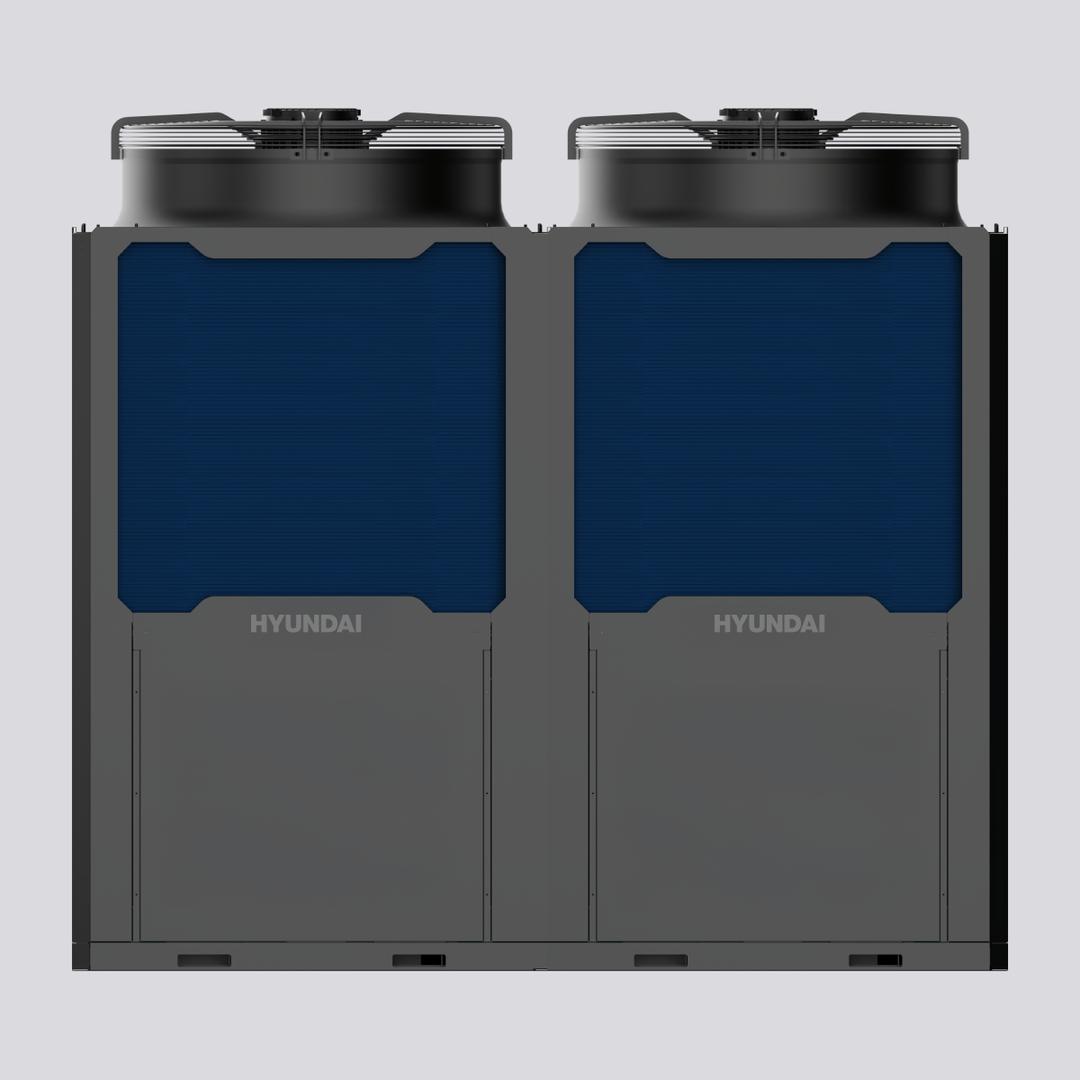
Connect up to 16 units in cascade — scale from 18kW to 192kW from one central control
Delivers hot water consistently at up to 60°C across high-demand commercial applications
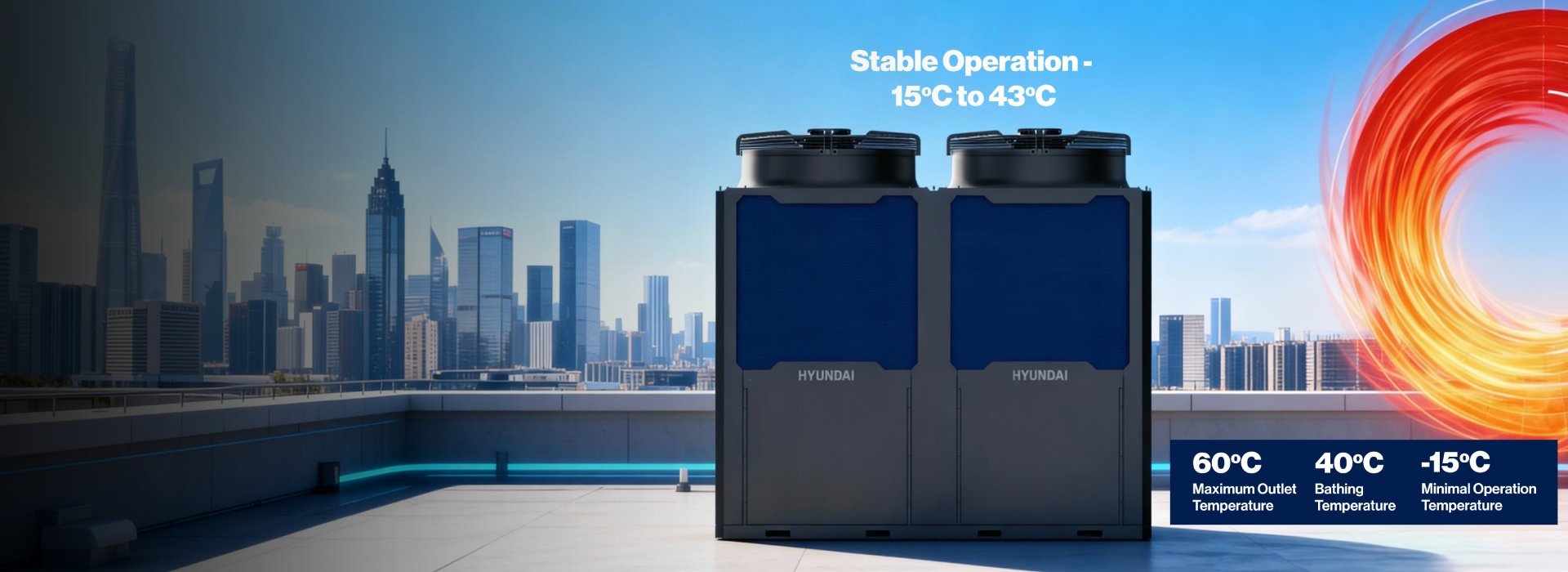
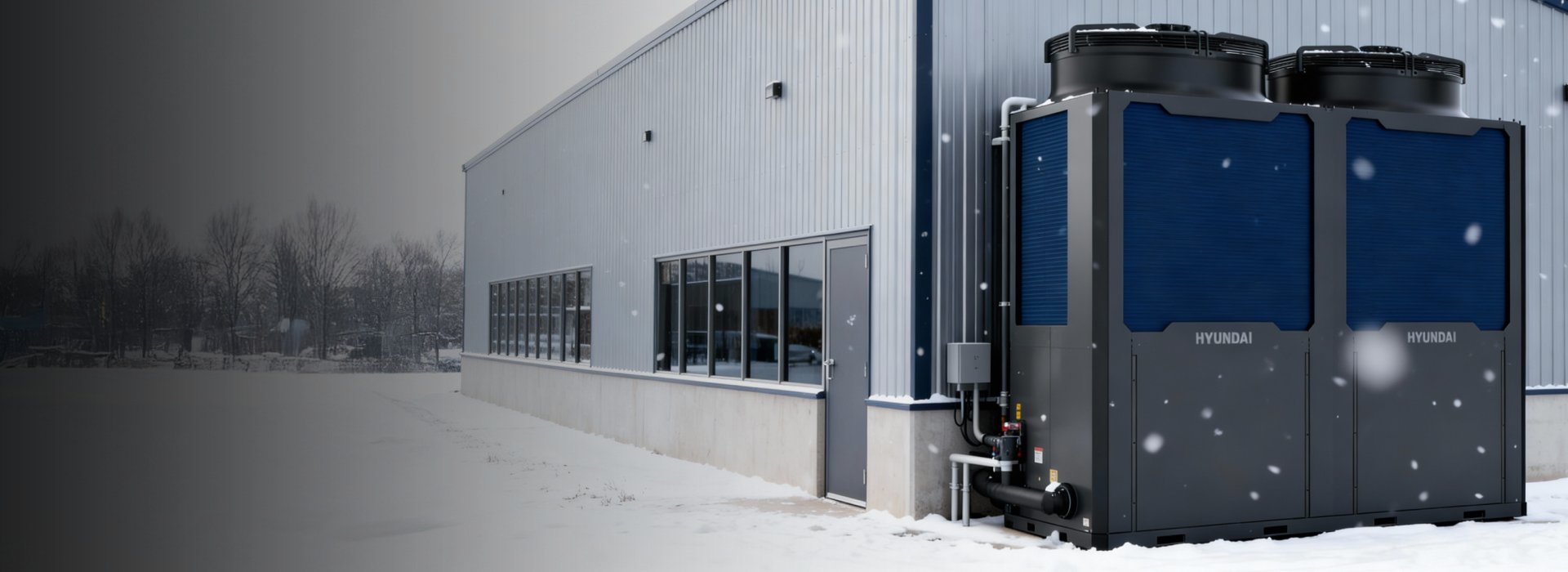
Reliable performance from -15°C to 43°C — handles every Indian season without interruption
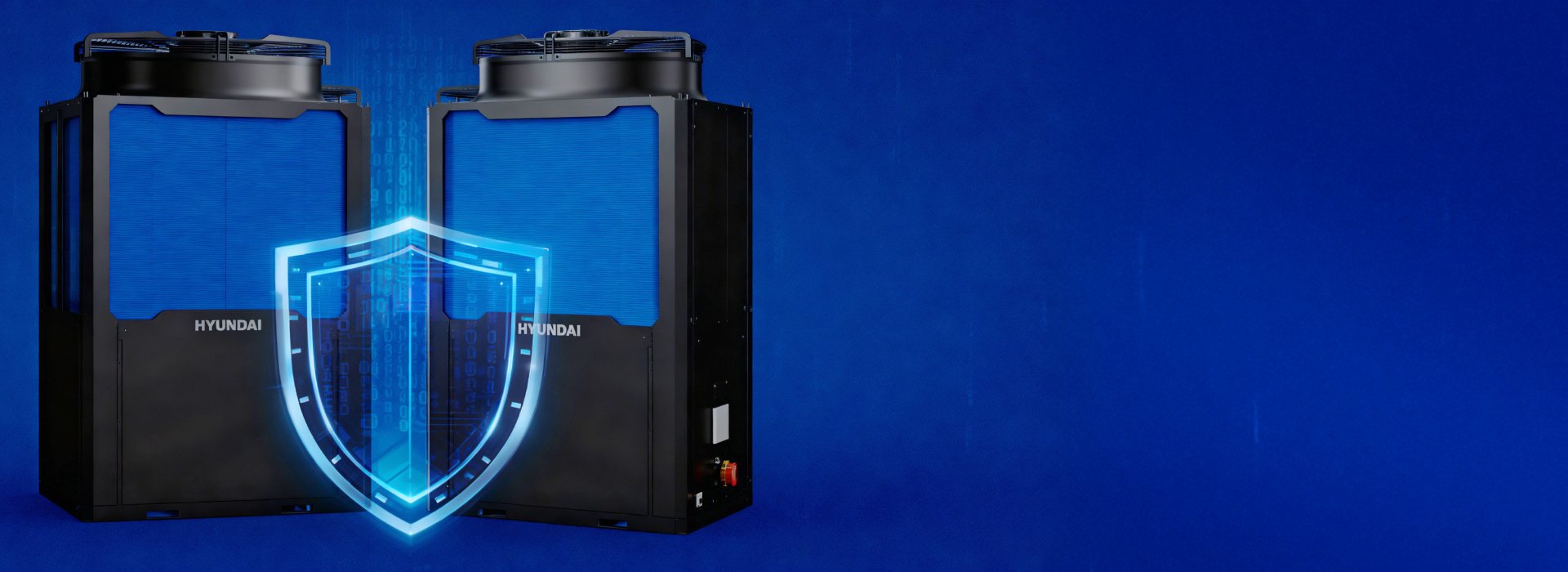
Seven built-in protection systems keep the unit running safely and reliably around the clock
MODBUS communication enables seamless integration with building management systems
Efficient heat transfer means significantly lower energy bills compared to gas or electric boilers
The commercial RS Series allows up to 16 units to run together in a cascaded configuration, scaling total heating capacity from 18kW up to 192kW. A single central control manages the entire system using lead-lag logic — bringing units on and off based on actual demand. This protects each compressor from overuse, allows for fault tolerance if one unit needs servicing, and keeps energy consumption in check during low-demand periods like the middle of the night.

Whether it is a 100-room hotel, a hospital ward, or a large gym facility, the commercial RS Series delivers hot water at a steady 60°C across every outlet at the same time. The system adjusts its output based on demand, so it never overproduces or underperforms. Every shower, tap, and cleaning station gets the same reliable water temperature from the first hour to the last.

The commercial RS Series operates in ambient temperatures ranging from -15°C to 43°C. This makes it equally suitable for a resort in Shimla and a hospital in Hyderabad. In cold winters, the system heats efficiently without dropping output. In peak Indian summers above 40°C, it continues to run without derating or shutting down — a known weakness in many imported commercial units that are designed for milder European climates.
Commercial hot water systems run 24 hours a day with minimal supervision. The RS Series is designed with this in mind. It includes low and high pressure cutouts, compressor current and voltage protection, outlet temperature safeguards, refrigerant pressure sensors, and water flow detection. These systems work together continuously so that if anything moves outside safe operating limits, the unit responds and protects itself automatically.
The commercial RS Series uses R410a refrigerant, which delivers excellent heat transfer efficiency and stable performance across the full operating range of the unit. R410a is widely available through service networks across India, which matters for a commercial installation where downtime has a direct cost. Spare parts and qualified technicians are accessible in most Indian cities, keeping maintenance straightforward for facility managers.
The commercial RS Series includes MODBUS RS-485 communication as standard. This allows the heat pump system to connect directly to a building management system (BMS), enabling centralised energy monitoring, automated scheduling, and demand-response programming. For hotels and large commercial buildings running on time-of-use electricity tariffs, the ability to shift heat pump operation to off-peak hours can reduce monthly energy bills significantly.
Kochi, Kerala
"We run a 120-room property and hot water availability was always a pressure point, especially during peak season. The cascaded RS Series installation has been running for over a year now without a single unplanned outage. Guests have not complained once about water temperature and our energy costs for heating have dropped by close to 60% compared to what we paid with our diesel boiler."
Hyderabad, Telangana
"For a hospital, water temperature and hygiene are non-negotiable. We installed the commercial RS Series across two wings and the performance has been exactly what we needed — consistent 60°C delivery, MODBUS integration with our BMS, and the disinfection cycle running on schedule. The multi-layer protection features give the maintenance team confidence that the system is not going to fail unexpectedly."
Mussoorie, Uttarakhand
"Our property sits at nearly 2,000 metres and winter temperatures regularly drop below -5°C. We needed a commercial hot water system that would hold up through that. The RS Series has performed without interruption through two full winters now. The auto-defrost works exactly as described and the cascaded units mean if one ever needs attention, the others keep the supply going while it gets serviced."
Pune, Maharashtra
"We have a large gym with shower facilities for over 200 members a day. The peak morning demand used to overwhelm our old system. Since switching to the commercial RS Series, the supply has been completely steady through even the busiest periods. Running costs are lower and the MODBUS connection to our energy management panel means I can track consumption in real time."
•A 100-room hotel usually needs 60–80kW heating capacity for a continuous hot water supply. This can be achieved with 4–5 units of 18kW each in a cascaded setup. Buffer tanks are also recommended to store enough hot water for peak demand and smooth system performance.
•Yes, the system works well in most Indian hill stations where temperatures range between -5°C and -10°C. It can operate down to -15°C. For colder areas like Ladakh, a lower-temperature model or additional heating support may be required for reliable performance.
•The system includes multiple safety features such as pressure controls, temperature protection, water flow detection, and compressor safeguards. It also has automatic defrost and remote monitoring support. These features allow safe, reliable 24/7 operation without constant supervision in plant rooms.
•Heat pumps are much more cost-efficient than diesel boilers. While diesel systems cost around ₹7–10 per kWh, heat pumps deliver heat at about ₹2.5–3 per kWh. This can reduce energy costs by 65–75%, with payback usually achieved within two years.
•Yes, the system supports MODBUS RS-485 communication as a standard feature. It can integrate easily with common BMS platforms. This allows central control, energy monitoring, scheduling, and coordination with other systems like HVAC and lighting in commercial buildings.
•The system requires a minimum water flow to operate safely and prevent damage. It works well with pressurised ring mains. For setups with variable flow, a buffer tank is recommended to maintain stable flow and avoid frequent on-off cycling of the system.
•Yes, installation is simpler as the refrigerant stays inside the sealed outdoor unit. Only water connections are needed between the unit and the tank. This allows standard plumbers or HVAC installers to complete most of the work without requiring specialised refrigerant engineers.