

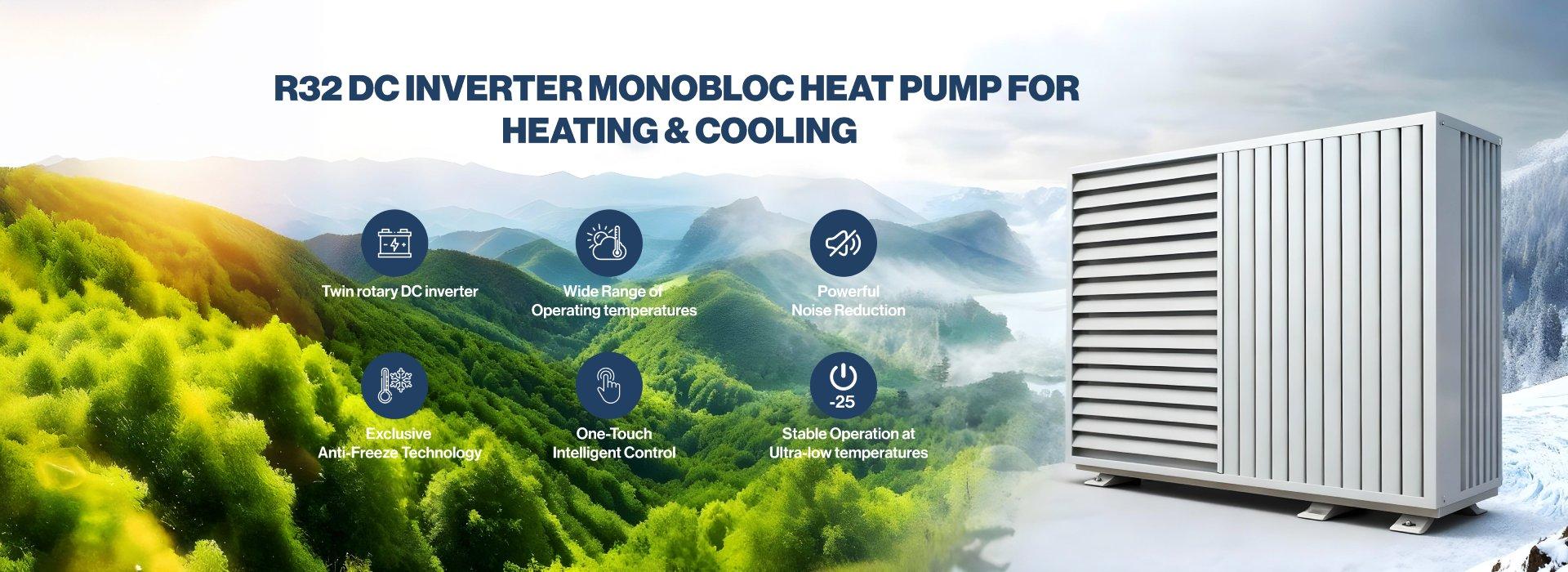

As a leading heat pump manufacturer, Hyundai Heat Pump is a trusted name in the research, development, and production of high-quality heat pump systems. Our extensive range includes Air to Water Heat Pumps, Domestic Hot Water Heat Pumps, Swimming Pool Heat Pumps, and more. At Hyundai, we are committed to delivering every product with cutting-edge technology and superior performance.
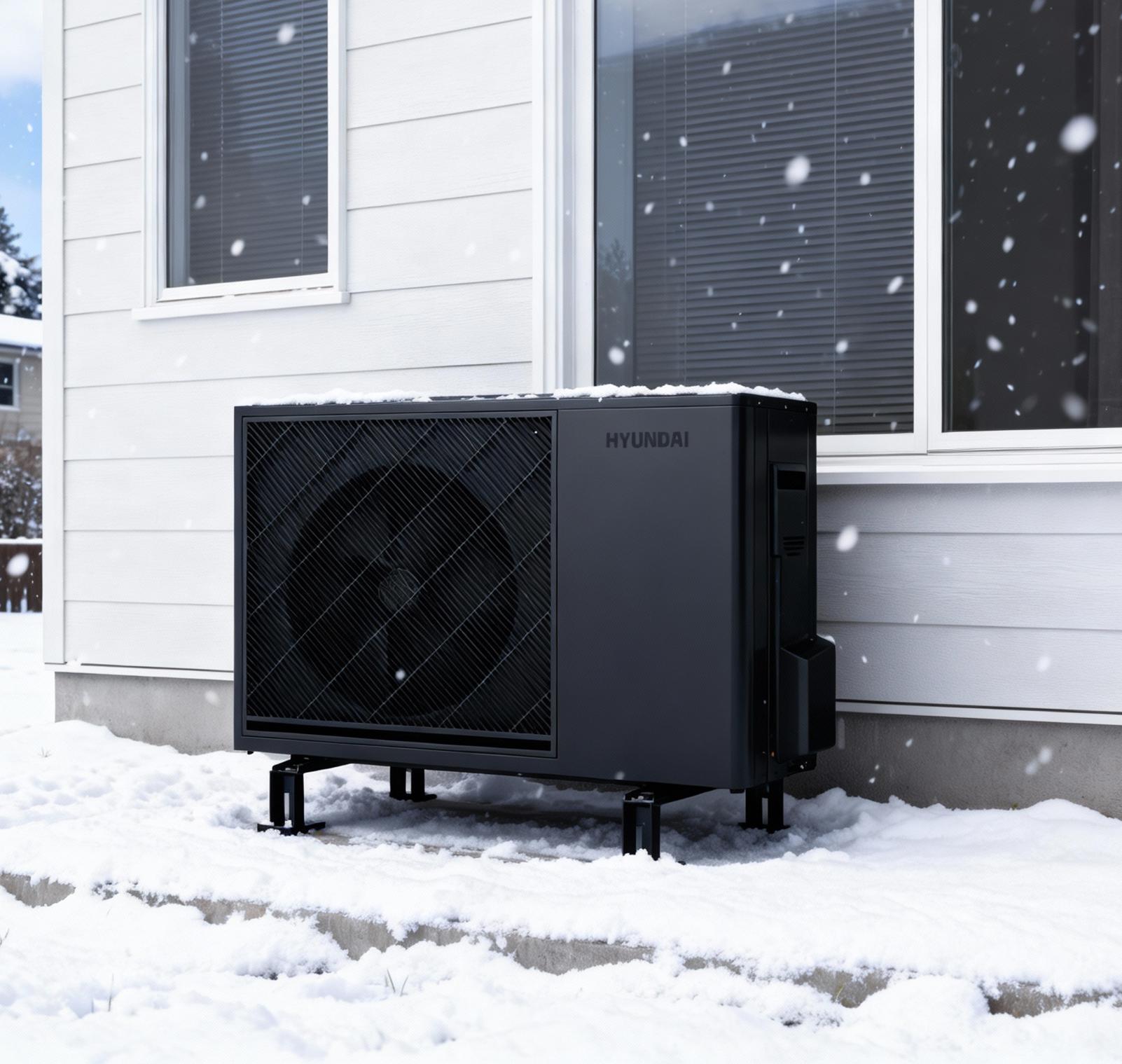
Hyundai’s advanced heat pump technology, powered by the eco-friendly R290 refrigerant, sets a new benchmark in sustainable and energy-efficient heating. This green refrigerant ensures superior performance, lower operating costs, and minimal environmental impact with its low Global Warming Potential (GWP). The system features CozyQuiet® technology for silent operation through vibration control and acoustic insulation, along with a Smart IoT Solution that enables remote monitoring, dual-zone temperature control, and real-time energy tracking. With Multi-Layer Safety Protection, including refrigerant leakage detection and anti-freeze logic, Hyundai ensures reliable, safe, and eco-friendly operation—delivering comfort, innovation, and sustainability in every home.

Hyundai Corporation is a leading high-tech enterprise specializing in advanced air source heat pump technology. With over 19 years of expertise in renewable energy heating solutions, we are committed to delivering efficient and sustainable comfort systems. Our product range includes space heating, water heating, and swimming pool heat pumps. In 2023, Hyundai introduced the innovative R290 heat pump, marking a major step toward reducing global carbon emissions.

Years of Heat pump
experience
Selling Countries
& regions
Manufacturing
bases
CNAS and TÜV-authorized
world-class enthalpy test
laboratories.
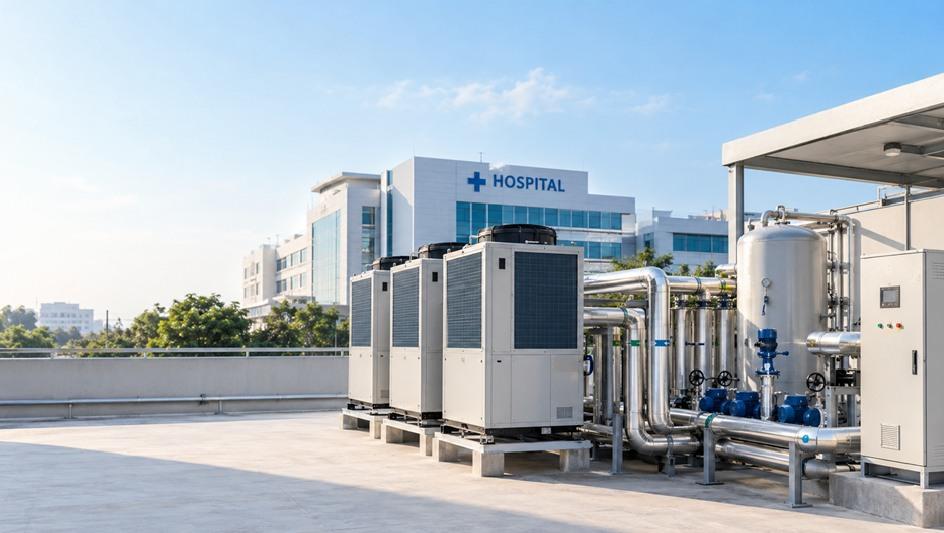
Author: Hyundai Heat Pump
See how a heat pump for hospitals delivers reliable 60°C hot water for infection control, 24/7 uptime, and up to 75% lower energy costs.
11 September 2026
Read More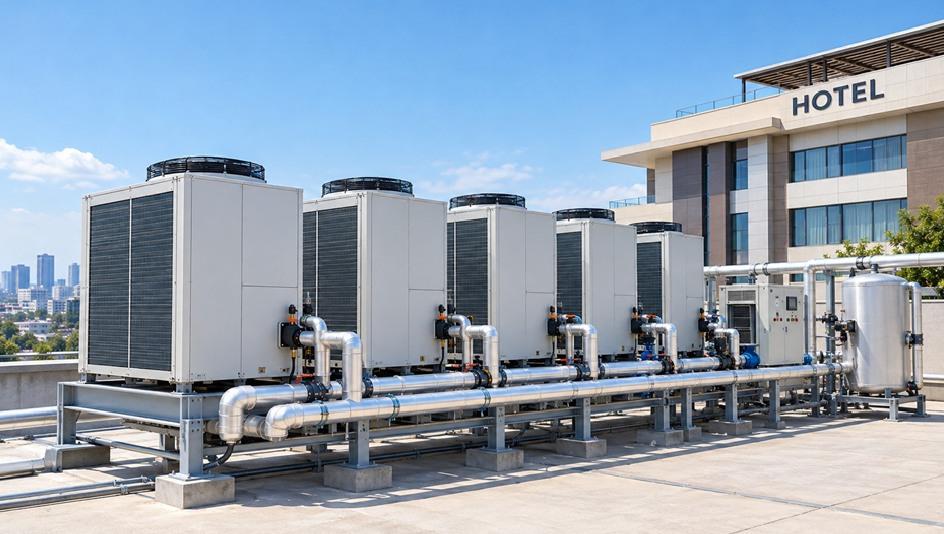
Author: Hyundai Heat Pump
Heat pump for hotels cuts hot water energy costs by up to 75%. See real sizing, running costs, and reliability data for Indian properties.
10 September 2026
Read More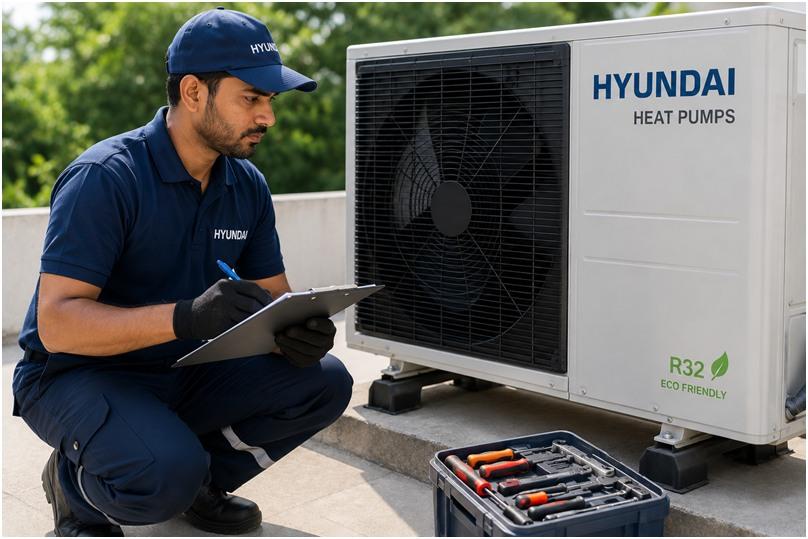
Author: Hyundai Heat Pump
Complete heat pump maintenance guide covering servicing schedules, DIY cleaning tips, and troubleshooting steps for a reliable system.
02 September 2026
Read More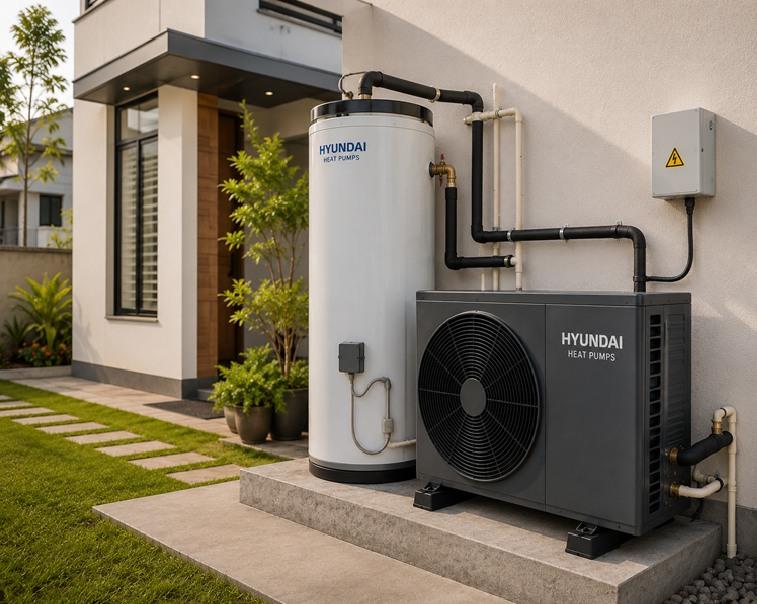
Author: Hyundai Heat Pump
Learn how to choose a heat pump water heater for home use based on capacity, features, space, installation, and household hot-water demand.
02 September 2026
Read More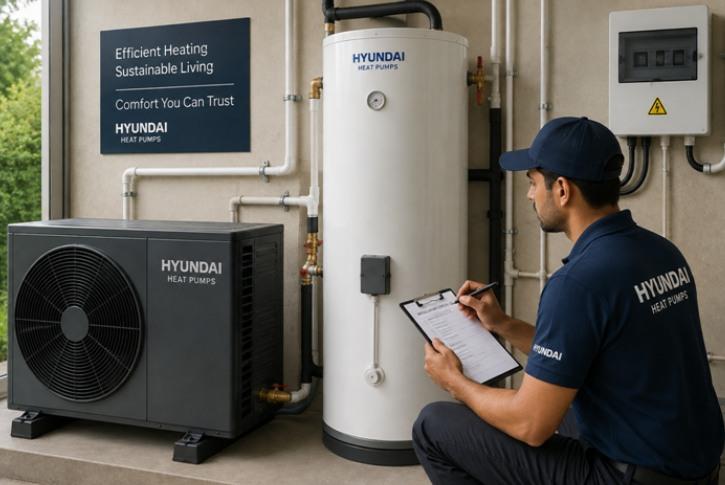
Author: Hyundai Heat Pump
Learn about heat pump water heater installation, key requirements, setup, capacity, electrical needs, and the installation process for homes and businesses.
02 September 2026
Read More
Author: Hyundai Heat Pump
Dehumidifier vs air conditioner explained simply. Compare cost, humidity control, and best uses for Indian homes, then pick the right one today.
24 July 2026
Read More
Author: Hyundai Heat Pump
Learn how a heat pump for industrial use works, what it costs in India, and which type fits your plant. Compare types and get sizing help.
24 July 2026
Read More
Author: Hyundai Heat Pump
Compare heat pump, solar, and gas pool heaters in India, running cost, year-round reliability, and cloudy-day performance. Find the best way to heat your pool.
23 July 2026
Read More
Author: Hyundai Heat Pump
Use a heat pump ROI calculator in India to estimate running costs and payback fast. See real savings, flow rate tips, and expert buying advice.
17 July 2026
Read More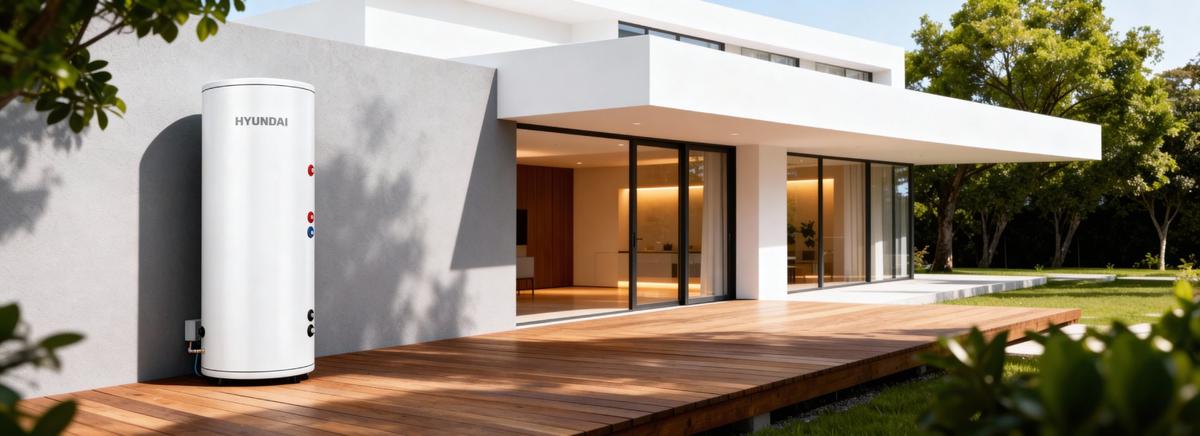
Author: Hyundai Heat Pump
Air-to-water vs air-to-air heat pumps — how each works, best use cases, efficiency, and which suits Indian homes for hot water vs heating & cooling
10 July 2026
Read More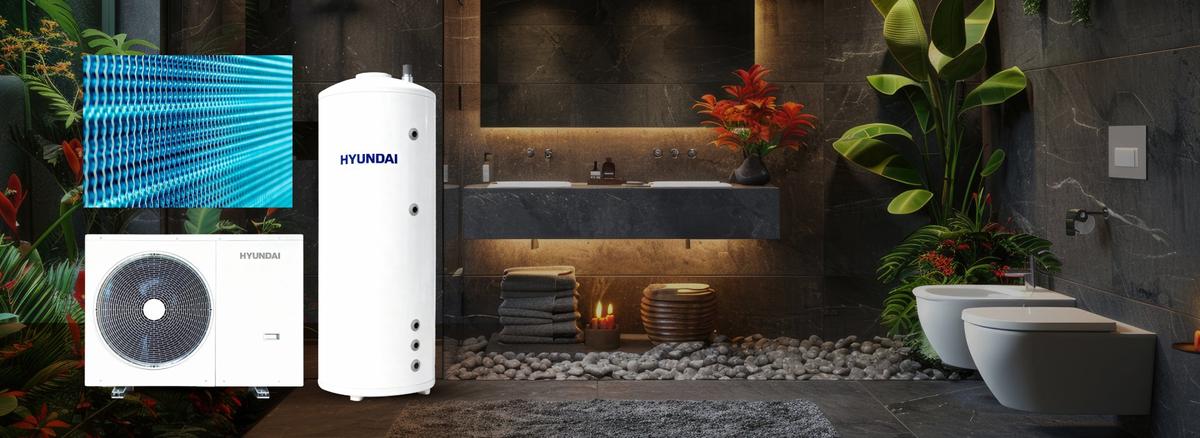
Author: Hyundai Heat Pump
Domestic vs commercial heat pump water heaters - capacity, usage, cost, and which fits homes, hostels, gyms, or hotels. Choose the right system for your needs.
10 July 2026
Read More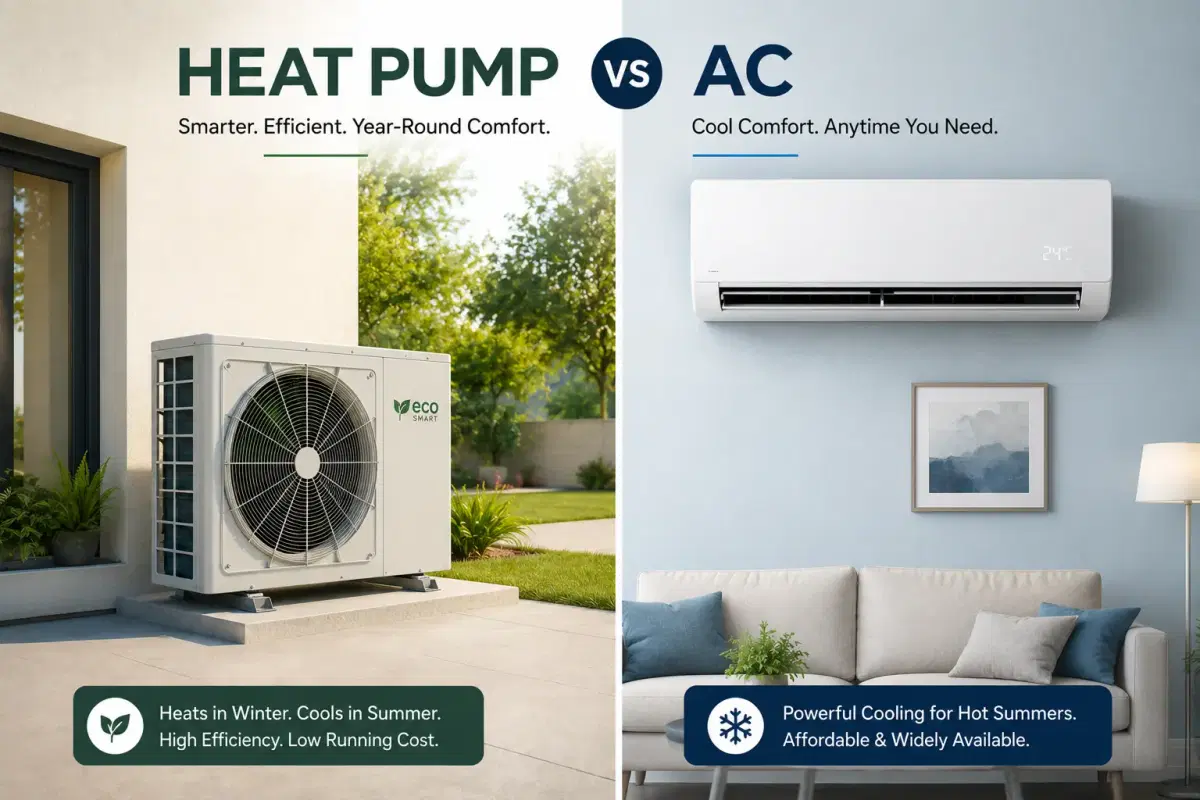
Author: Hyundai Heat Pump
Comparing heat pump vs AC for India? See a side-by-side table on cost, efficiency, and climate fit - then decide which system saves you more.
01 June 2026
Read More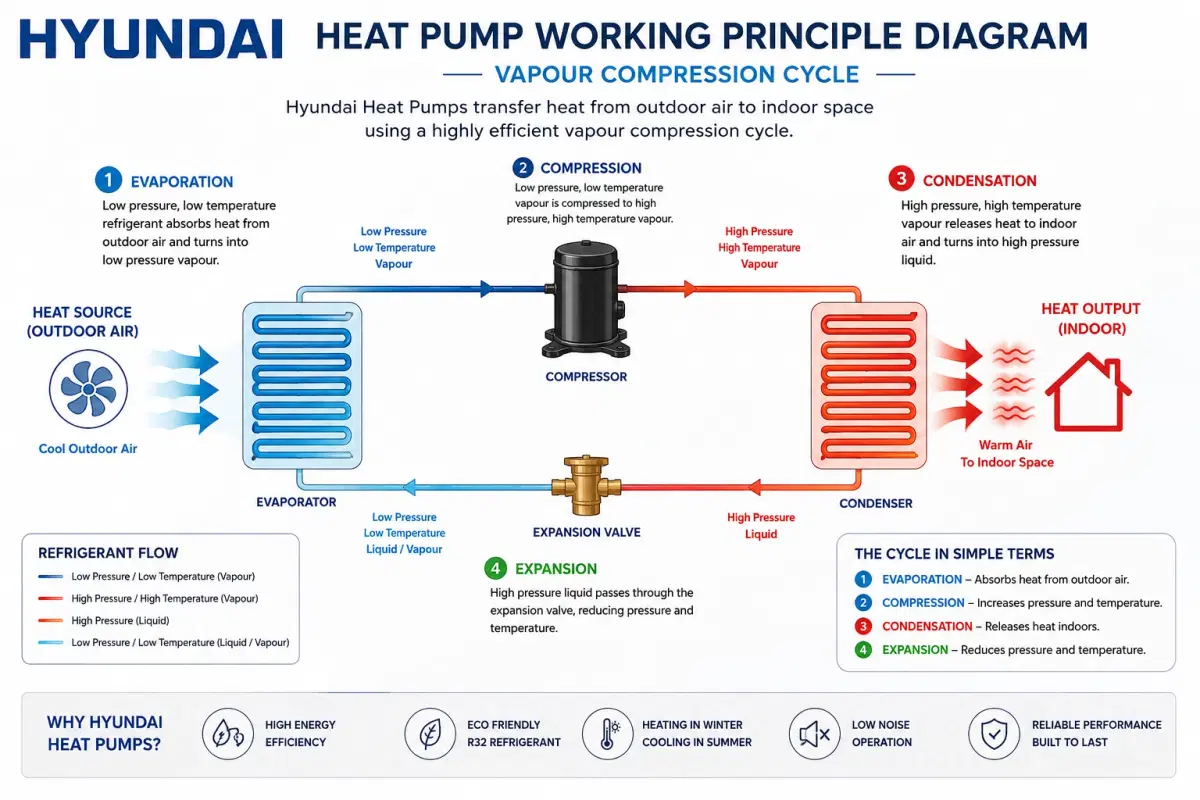
Author: Hyundai Heat Pump
A heat pump works by extracting heat from ambient air and transferring it to water - using up to 5× less electricity than a geyser. Step-by-step guide, COP explained, and heat pump working principle in plain language for Indian homes.
26 May 2026
Read More
Author: Hyundai Heat Pump
Learn what a heat pump is, how it works, and why Indian homes are switching to this energy-efficient technology. Explore Hyundai heat pump models & prices.
20 May 2026
Read More
Author: Hyundai Heat Pump
R32 vs R410A - which refrigerant is better for your heat pump? Compare GWP, efficiency, safety, cost & environmental impact in this expert 2025 guide.
19 May 2026
Read More
Author: Hyundai Heat Pump
Learn what an air source heat pump is, how it works, benefits, costs, and installation in India. Complete beginner guide for 2026.
24 April 2026
Read More
Author: Hyundai Heat Pump
Compare heat pump vs geyser in India. Learn costs, savings, pros & cons, and which is better for your home in 2026.
24 April 2026
Read MoreAuthor: Hyundai Heat Pump
Learn about R290 refrigerant for heat pumps in India. Compare R32 & R134a, benefits, safety, pressure, and why R290 is the greenest choice.
24 April 2026
Read MoreAuthor: Hyundai Heat Pump
Learn how to choose the right swimming pool heat pump in India. Sizing guide, costs, efficiency tips, and expert advice for maximum performance.
24 April 2026
Read More•Yes. Hyundai heat pumps are designed to operate across a wide ambient range from -25°C in extreme winters up to 43°C in peak Indian summers. The system works well even during the hottest months, which makes it well-suited for cities like Delhi, Jaipur, or Nagpur, where summer temperatures regularly exceed 40°C.
•A solar water heater depends entirely on sunlight, which means performance drops during monsoons, overcast days, and in north-facing or shaded installations. A Hyundai heat pump draws heat from ambient air. It works 24 hours a day, 365 days a year, regardless of weather or sunlight. It also heats water to higher temperatures (up to 75°C), which is essential for hospitals, hotels, and large households.
•A standard electric geyser converts 1 unit of electricity into 1 unit of heat. A Hyundai heat pump converts 1 unit of electricity into 3 to 4 units of heat (COP of 3–4). A household spending ₹2,000 to ₹3,000 per month on water heating can switch to a heat pump to reduce that bill by 60 to 70%. It helps to recover the investment typically within 2 to 3 years, depending on usage and electricity tariff.
•No. Hyundai heat pumps run purely on electricity; there is no gas line, no combustion, and no flue pipe required. They extract heat from outdoor air using a refrigeration cycle, which makes them safe for apartment buildings, enclosed utility rooms, and buildings that do not have gas infrastructure.
•Hyundai heat pumps use CozyQuiet® technology, which is a combination of vibration dampening, acoustic insulation, and full DC inverter compressor control. Operating noise levels are significantly lower than those of conventional heat pumps. So, these are suitable for rooftop or terrace installations close to living areas without causing disturbance.
•Yes. Hyundai's Smart IoT Solution supports Wi-Fi, 4G DTU, and Bluetooth connectivity. You can monitor energy consumption in real time, adjust temperature settings, schedule operation, and receive system alerts, all through a mobile app.
•Hyundai Heat Pumps operates under the global Hyundai brand, which has ranked 32nd among the world's best global brands by Interbrand with a brand value of $23 billion. The heat pump products are developed through a strategic partnership between Hyundai Corporation and Purever.