R410a refrigerant is non-toxic, environmentally safe, and efficient for everyday home use
Delivers hot water up to 60°C — ready for bathing, cooking, and laundry any time of day
High pressure protection and automatic defrost keep the system safe and running year-round
Built-in disinfection function eliminates harmful bacteria for clean, safe water every time
Hot water available around the clock. No waiting, no scheduling, no interruptions
Engineered for low noise so daily life at home stays peaceful and undisturbed
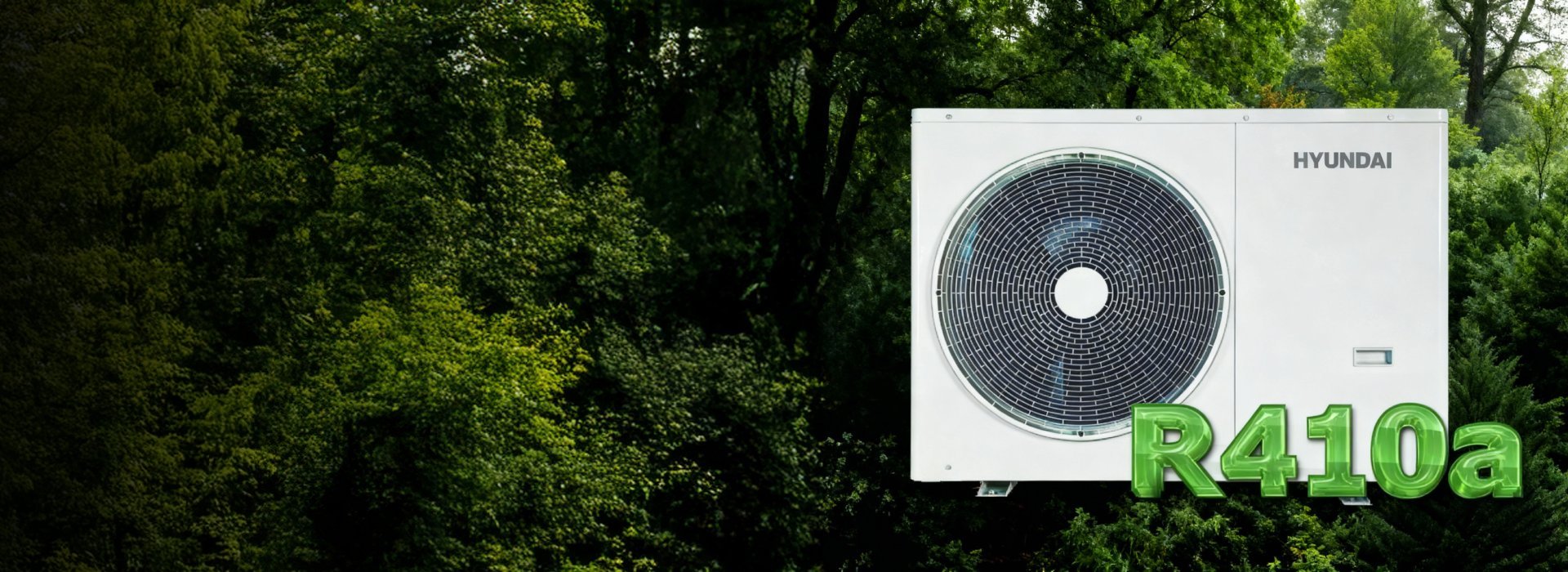
The RS Series runs on R410a refrigerant, known for its excellent heat transfer properties and stable performance across a wide range of temperatures. It is non-toxic and safe for use in residential and commercial settings. Because R410a is widely available across India, servicing and maintenance stay straightforward for the full life of the unit. This means fewer complications down the line and lower long-term ownership costs.

The RS Series heats water to a consistent 60°C — hot enough for comfortable bathing, effective dishwashing, and thorough laundry cleaning. The system runs continuously in the background so there is always hot water available at the tap. You do not need to plan ahead or wait for a tank to heat up. Whether it is early morning or late at night, the water is ready.

The RS Series uses a tube-in-shell heat exchanger, which is significantly more resistant to scale buildup than coil-type designs. In India, where hard water is common in most cities, this matters a great deal. The wider tube design allows smooth water flow and prevents the kind of mineral deposits that reduce efficiency over time. The result is a system that maintains its performance for years with minimal servicing.
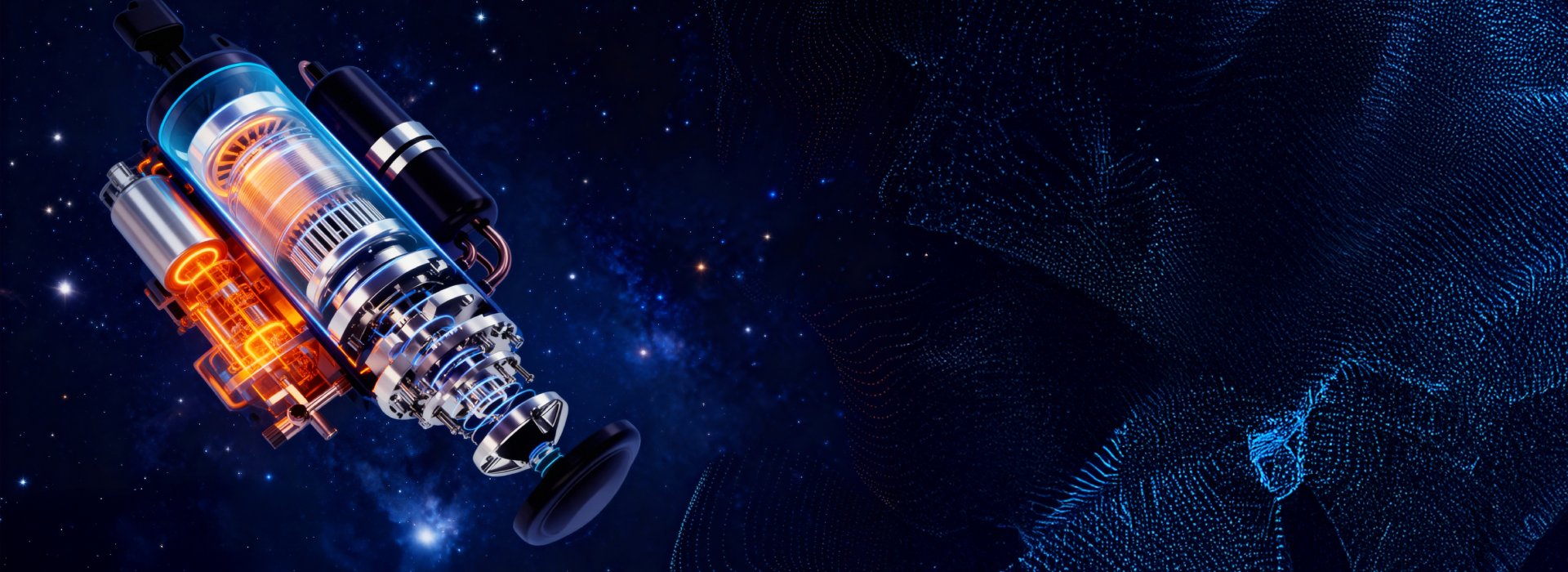
In colder months, frost can form on the heat exchanger and reduce the system's efficiency. The RS Series detects this automatically and runs a defrost cycle to clear it before it causes any disruption. The process happens in the background without any input from you. Once complete, the unit returns to normal heating operation immediately. This keeps performance consistent through winter without requiring any manual adjustment.
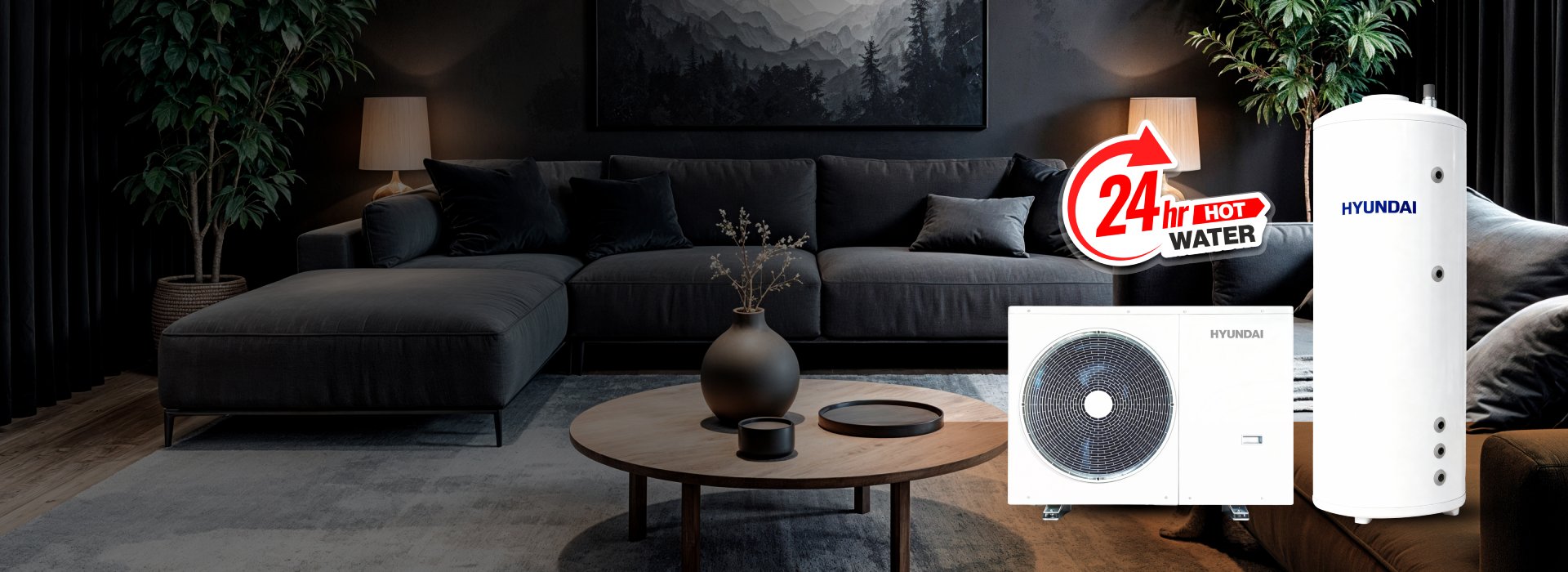
The RS Series is designed to provide an uninterrupted hot water supply around the clock. A high-efficiency compressor keeps the system running steadily without consuming excess electricity. Whether demand is high in the morning or low at midnight, the unit adjusts automatically to maintain the right water temperature. No cold showers, no surprises, just reliable hot water whenever it is needed.
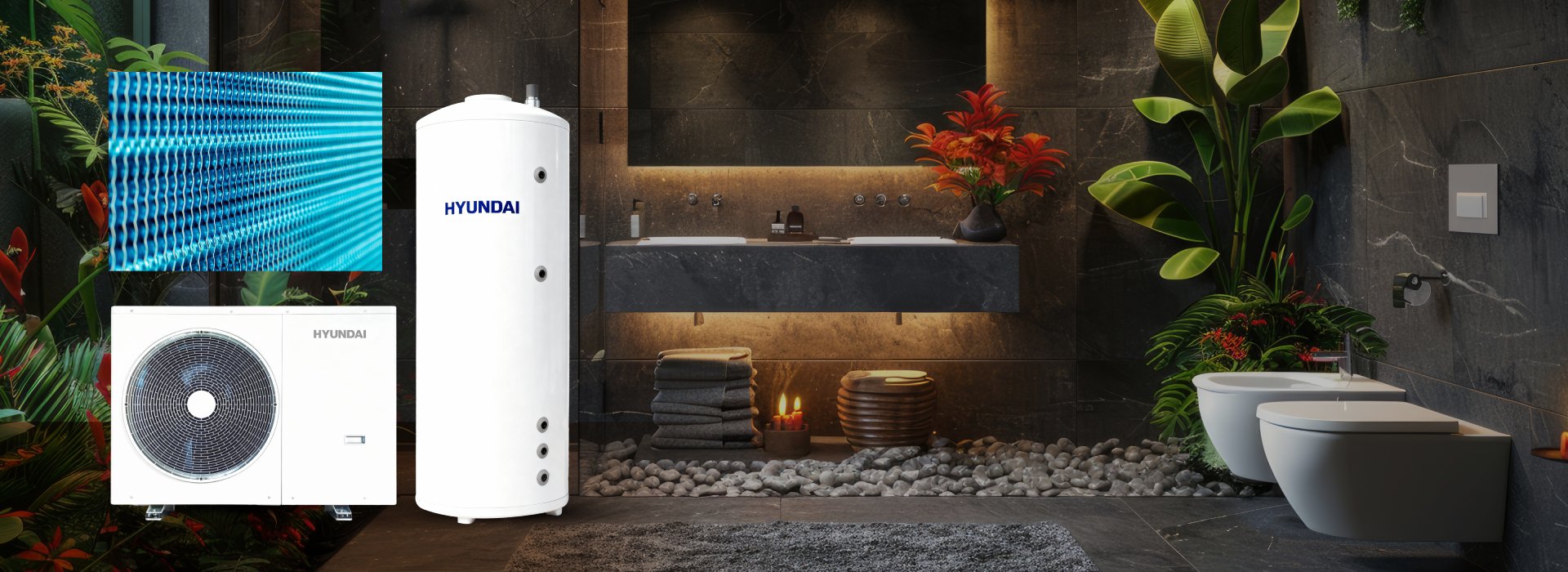
The RS Series uses hydrophilic aluminium fins on the heat exchanger coil. These fins are specially coated so that moisture drains off quickly as a thin sheet rather than collecting as droplets. In India's humid climate — especially during monsoon season or in coastal cities — this prevents airflow blockages and keeps heat transfer efficient. The unit performs consistently regardless of how humid the surrounding air gets.
Ahmedabad, Gujarat
"We have a family of six, and hot water used to be a constant issue, someone always ended up with a cold shower. Since installing the RS Series 18kW unit, that problem is gone. Hot water is available at every tap at any time of day. The electricity cost has come down noticeably compared to our old geyser setup."
Chennai, Tamil Nadu
"We manage a complex of 40 flats and centralised hot water has always been a challenge. We installed a cascaded RS Series system last year and the difference has been dramatic. Every flat gets consistent hot water and maintenance calls related to water heating have dropped significantly. The disinfection function gives us peace of mind on water hygiene too."
Jaipur, Rajasthan
"Jaipur winters can get quite cold and our previous system struggled to keep up. The RS Series handles it without any issue. Water stays hot through the night and the automatic defrost means I never have to intervene. For a guesthouse where guests expect hot water any time they want it, this system has been exactly what we needed."
Mumbai, Maharashtra
"I was worried about the hard water in Mumbai damaging the system quickly. The installer explained the tube-in-shell design and why it handles hard water better than standard heat exchangers. Eight months in and there have been zero issues. The unit runs quietly and the water is always at the right temperature. Very happy with the decision."
•The RS Series uses a heat pump compressor for regular heating and includes a built-in electric heater as backup. During very cold nights or high-demand periods, the electric heater turns on automatically. This ensures a steady hot water supply at all times without any manual intervention.
•A single 18kW unit is usually not enough for 20 families. The RS Series supports cascading, allowing up to 16 units to work together. This increases total capacity up to 192kW, making it suitable for housing societies where hot water demand varies throughout the day.
•The disinfection function heats water to 60°C or higher using the electric heater. This helps kill harmful bacteria like Legionella. It improves water safety, especially in shared systems used by many people, such as housing societies, hotels, hospitals, and schools.
•A tube-in-shell heat exchanger uses a wider tube design that allows smoother water flow and reduces scale buildup. Compared to coil-type designs, it handles hard water better, which is common in India. It also stays efficient for longer and is easier to clean.
•Heating time depends on tank size, starting temperature, and weather conditions. For example, a 6kW unit with a 200L tank can reach 55°C in about 2–3 hours at 20°C ambient temperature. In warmer conditions, heating can be 30–40% faster.
•Hydrophilic aluminium fins help moisture drain quickly as a thin layer instead of forming droplets. In humid conditions, this prevents blockage and maintains proper airflow. As a result, the system runs efficiently even during monsoon seasons or in coastal areas with high humidity.
•Yes, the RS Series can replace solar water heaters. Unlike solar systems, it works in all weather conditions, including monsoons and cloudy days. If solar panels are installed, the unit can run during peak solar generation hours, helping reduce electricity costs.
•R410a is not being banned immediately in India, but will be phased down gradually over time. Existing units will remain serviceable throughout their lifespan. Meanwhile, newer systems are moving towards more eco-friendly refrigerants like R32 and R290 for future installations.