Author: Hyundai Heat Pump
Published on: 24 September 2026
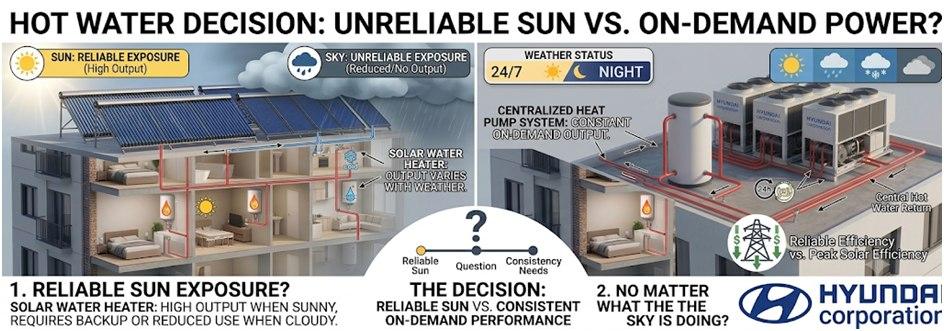
A solar water heater draws its energy from sunlight; a heat pump draws its energy from the surrounding air, day or night, rain or shine. That single difference shapes almost everything else — cost, space, consistency, and how well each system fits an apartment versus an independent house.
Both technologies beat a standard electric geyser by a wide margin, and both are marketed as the "efficient" choice — which is exactly why the comparison confuses so many buyers.
This guide covers how each system works, what they cost to buy and run, and how to decide between a heat pump or solar water heater for your specific building.
A solar water heater uses rooftop collectors — flat-plate or evacuated-tube panels — to absorb sunlight and transfer that heat directly into an insulated storage tank. A heat pump works differently: it pulls ambient heat from the surrounding air using a refrigerant cycle, similar to a refrigerator running in reverse, and moves that heat into the water. Solar depends entirely on sunlight reaching the collector; a heat pump keeps working after dark, through overcast skies, and inside shaded utility areas where a solar panel would be useless.
Neither system generates heat by burning fuel or resistance heating, which is why both outperform a standard geyser — the difference is where each one gets its energy from.
Upfront pricing varies by capacity, brand, and installation complexity, but current Indian market ranges give a useful planning benchmark. A 100–200 LPD solar water heater typically costs roughly ₹15,000 to ₹55,000 installed depending on whether it uses evacuated-tube or flat-plate collectors, while domestic heat pump water heaters generally range from about ₹35,000 to ₹80,000 installed depending on capacity and features (industry pricing trackers, 2026). Solar systems usually cost less upfront for the same daily capacity; heat pumps cost more initially but need no rooftop collector array and typically carry a longer service life with fewer moving parts exposed to weather.
This is where the two technologies diverge most. A solar water heater's output tracks the weather — strong on clear days, weaker during the monsoon, and dependent on a functioning electric backup element whenever the sun doesn't cooperate. A heat pump draws heat from ambient air rather than direct sunlight, so it keeps working through cloudy spells and after sunset, though very cold winter mornings can slightly reduce its efficiency. For buildings that cannot tolerate inconsistent hot water — hostels, hotels, hospitals, or simply a household with a fixed morning routine — that reliability gap matters more than the sticker price.
Climate and roof orientation at your specific site matter more than general claims — a south-facing, unshaded roof in Rajasthan behaves very differently from a shaded, north-facing roof in coastal Kerala.
Solar water heaters need a clear, sun-facing section of roof for the collector panels, along with structural support for the elevated storage tank — a real constraint on buildings with shaded roofs, limited terrace space, or shared rooftops in an apartment complex. A heat pump needs only a small, well-ventilated space with airflow clearance, which can sit on a balcony, utility area, or ground-level plant room without any dependency on sun angle. This is one reason heat pumps suit multi-storey apartment buildings better than solar, where usable roof area has to be shared across many flats.
Buildings with abundant, unobstructed roof space can make solar work well; buildings without that luxury — many apartment complexes included — tend to find heat pumps easier to fit in.
Both technologies dramatically cut running costs compared with a standard electric geyser, but they get there differently. A heat pump's efficiency is measured by its coefficient of performance (COP), typically 3 to 4 — meaning three to four units of heat delivered per unit of electricity consumed, consistently, regardless of weather. A solar water heater's "running cost" on a clear day is close to zero, since the sun itself is free, but that advantage shrinks every time the backup electric element has to switch on during poor weather.
| Feature | Solar Water Heater | Heat Pump Water Heater |
|---|---|---|
| Energy source | Sunlight, with electric backup | Ambient air, via electricity |
| Weather dependency | High — output drops on cloudy days | Low — works in most conditions |
| Typical upfront cost | Lower for same daily capacity | Higher, but compact and factory-sealed |
| Roof space needed | Collector array plus elevated tank | Small ventilated footprint only |
| Best suited for | Independent houses with open, sunny roofs | Apartments, hostels, hotels, cloudy regions |
Read the table by your building type and roof access first — the "better" system is the one that matches your site, not a universal winner.
Start with your roof. If you have an unshaded, sun-facing roof and are willing to size the system generously to cover monsoon shortfalls, a solar water heater can deliver very low running costs for an independent house. If your roof is shared, shaded, north-facing, or simply too small for a collector array — common in apartment buildings and dense urban plots — a heat pump usually fits better and keeps performing regardless of the weather outside.
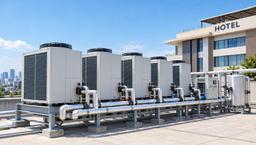
Hyundai's commercial and domestic heat pump range is built for exactly the buildings where solar struggles most — shaded rooftops, apartment complexes, and hot water needs that can't wait for sunshine.
Q: Does a heat pump work as well as a solar water heater in Indian summers? Yes, and often more consistently. A heat pump doesn't depend on direct sunlight, so it performs steadily through summer, monsoon, and most winter conditions, while solar output varies with cloud cover and daylight hours.
Q: Is a solar water heater always cheaper to run than a heat pump? Not always. Solar has near-zero running cost on clear days, but relies on an electric backup element whenever sunlight is insufficient, which adds to running costs during the monsoon and winter months.
Q: Can I install a solar water heater in an apartment with a shared rooftop? It's possible but often impractical, since collector space has to be shared across many flats and shading from taller structures nearby can reduce output. A heat pump avoids this problem entirely, as it needs no rooftop sun exposure.
Q: Which system has a longer service life, a heat pump or a solar water heater? Both can last many years with proper maintenance. Heat pumps are factory-sealed units with fewer weather-exposed components, while solar systems need periodic checks on collectors, glazing, and tank insulation.
Q: Do heat pumps or solar water heaters need an electric backup? Solar systems commonly include an electric backup element for cloudy days. A correctly sized heat pump does not need a separate backup, since it draws from ambient air rather than sunlight.
Q: Is government subsidy still available for solar water heaters in India? The central MNRE capital subsidy for residential solar water heaters was phased out in 2014. Some state-level schemes may still apply depending on location, so check current state programmes before budgeting on subsidy support.
Choosing between a heat pump or solar water heater comes down to your roof, your climate consistency needs, and how much upfront cost you're willing to trade for weather-proof hot water. Solar rewards buildings with generous, unshaded roof space and a tolerance for seasonal variation. Heat pumps reward buildings — especially apartments and multi-storey structures — that need consistent hot water regardless of what the sky looks like that day.
Not sure which system fits your building? Talk to a Hyundai heat pump specialist for a comparison matched to your roof access, climate, and daily hot water demand.
No related articles found.

Heat Pump BMS Integration: A Smarter Approach to Commercial Heating Control
16 October 2026

Heat Pump for Food Processing Industry: Where Heat Recovery Can Improve Plant Efficiency
16 October 2026
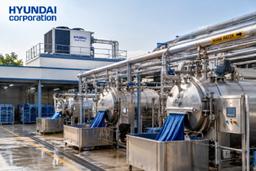
Heat Pump for Textile Industry: Opportunities for Heat Recovery in Textile Manufacturing
29 September 2026
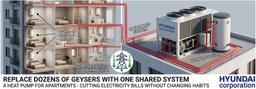
Heat Pump for Apartments: How to Plan an Efficient Centralized Hot Water System
24 September 2026
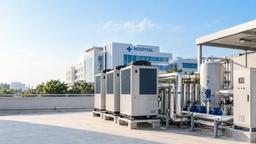
Heat Pump for Hospitals: A Guide to Reliable and Energy-Efficient Hot Water Systems
11 September 2026
Heat Pump for Hotels: How to Reduce Hot Water Energy Costs Without Compromising Guest Comfort
10 September 2026
No related articles found.