Author: Hyundai Heat Pump
Published on: 10 July 2026
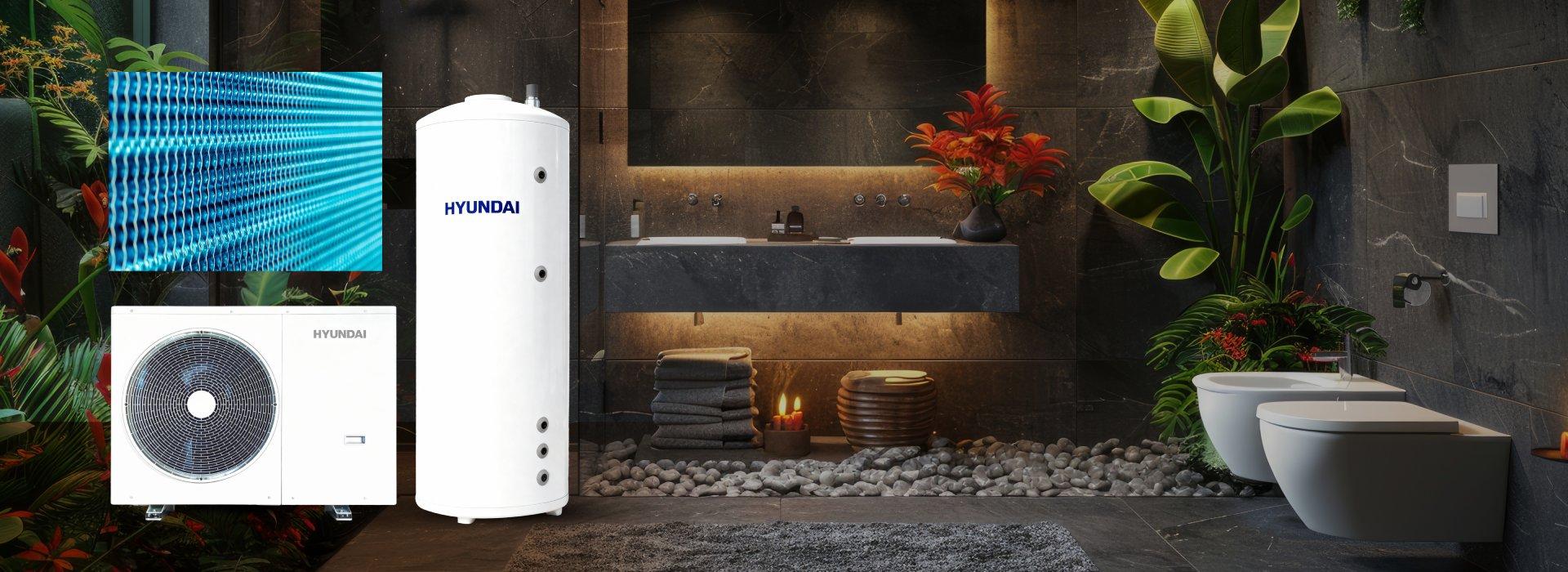
Picking the wrong hot water system wastes money every single day. A home unit strains under a hotel's demand, and a commercial unit is overkill for a family of four. The gap between a domestic vs commercial heat pump water heater comes down to capacity, power supply, and how fast you need hot water back.
This guide breaks down the real differences so you match the right system to your building — home, hostel, gym, or hotel. Whether you're weighing up Hyundai heat pumps or planning an upgrade, start with your real demand.
A domestic heat pump water heater serves one household with a small storage tank and single-phase power. A commercial heat pump water heater serves many people at once, using larger tanks, three-phase power, and faster recovery. Both pull free heat from the air. The core split is scale: how much hot water, how quickly, for how many taps.
The hardware looks similar but works at very different scales. A domestic unit heats enough for a few showers and a kitchen. A commercial unit keeps dozens of taps running through peak hours without dropping temperature. Design choices follow that demand.
The right build depends on your peak demand, not your average use. Sizing for the busy hour keeps water hot when it matters.
A heat pump water heater moves heat instead of making it. A fan pulls in warm air, a refrigerant absorbs that heat, and a compressor raises the temperature. That heat then transfers to the water in the tank. This uses far less power than a coil element, which is why efficiency stays high in both home and business setups.
Traditional geysers turn electricity straight into heat, so one unit of power gives one unit of heat. A heat pump borrows heat from the air, so one unit of power delivers three or four units of heat. That ratio, called the coefficient of performance, drives the savings. The same efficiency edge shows up when you compare a heat pump against an air conditioner.
The physics stay the same at any size — how a heat pump works doesn't change with tank size. Scale changes the tank and compressor, not the basic borrowed-heat principle.
Capacity depends on how many people draw hot water during your busiest hour. A home needs 100 to 500 litres for a family. A hostel, gym, or hotel often needs 1,000 litres and up, plus fast recovery. Undersize a commercial tank and guests hit cold water; oversize a home tank and you pay for heat you never use.
Start with people, not tanks. Count how many showers, sinks, and appliances run at the same time during peak load. A family rarely overlaps much. A hostel morning or hotel checkout hour creates heavy simultaneous demand that a small tank cannot cover.
Get the peak-hour number right and the rest follows. For homes, our domestic hot water heat pumps are built for exactly this family-scale demand.
Domestic heat pump water heaters run on single-phase power, the same connection most homes already have. Commercial heat pump water heaters usually need a three-phase supply to handle bigger compressors and higher loads. This matters before you buy: a commercial unit will not run on a standard home connection without an electrical upgrade.
Bigger compressors and cascade systems draw more current than a single-phase line can safely carry. Three-phase power spreads the load evenly and keeps heavy equipment stable. Skipping this check causes tripped breakers, slow heating, and warranty problems down the line.
Confirm your connection first. A quick check with an electrician stops an expensive mismatch on delivery day.
Here is the domestic vs commercial heat pump water heater split in one view. Domestic systems favour small homes with light demand. Commercial systems favour buildings with many users and long peak hours. The table below maps capacity, power, and best use so you can spot your category fast.
| Feature | Domestic HPWH | Commercial HPWH | Industrial HPWH |
|---|---|---|---|
| Typical storage | 100–500 litres | 500–3,000 litres | 3,000+ litres, modular |
| Power supply | Single-phase | Three-phase | Three-phase |
| Heating capacity | Low (1–3 kW) | Medium–high | Very high, cascade |
| Recovery speed | Slower | Fast | Fastest, continuous |
| Peak users | One family | Dozens at once | Hundreds or process load |
| Best for | Homes, villas, flats | Hotels, hostels, gyms, PGs | Factories, large campuses |
Read the table by your peak demand. If dozens of taps run together, you are firmly in commercial territory, not domestic.
A heat pump for a hotel or hostel needs high storage, fast recovery, and three-phase power. Guests and residents draw hot water in tight windows — early mornings and evenings — so the system must refill quickly. A commercial or modular heat pump handles that surge. A domestic unit simply cannot keep up with a full building.
Hotels and hostels face sharp, predictable spikes. Everyone showers within the same two-hour window. That crushes any undersized system. The fix is enough stored hot water plus a recovery rate that refills tanks between waves of guests.
Choose for the worst-case morning, not the quiet afternoon. Browse the full heat pump product range to match a commercial unit to your property size.
Both cut running costs sharply against electric geysers, but the scale of savings differs. A domestic heat pump water heater saves a family a few thousand rupees a year. A commercial heat pump water heater in india can save a hotel or hostel lakhs over its life, because it replaces so many high-power electric elements running daily.
Commercial units cost more upfront, yet they earn it back faster through volume. The more hot water you heat, the more each efficient unit saves. Payback periods often land within a few years for busy buildings with heavy daily demand.
Judge cost over years, not on the sticker — our cost-saving breakdown shows the numbers. High-usage buildings recover the commercial premium the fastest.
"Switching our 40-room hotel to a commercial heat pump dropped our monthly power bill noticeably, and hot water no longer runs out at 7 a.m." — [Placeholder — replace with verified client quote], Hotel Owner, [City]
"Our home unit paid for itself in about two winters. The bathroom hot water is steady and the bills are far lower than our old geyser." — [Placeholder — replace with verified customer quote], Homeowner, [City]
Domestic units are compact and fit most homes with modest ventilation. Commercial units need more floor space, stronger airflow, and often a dedicated plant area or rooftop. Both need open air to draw heat efficiently. Cramped, closed rooms cut performance for either size, so plan the location before you order.
Heat pumps breathe. They pull warm air in and push cool air out, so they need clearance on all sides. A tight cupboard chokes a home unit. A commercial bank needs a well-ventilated terrace or open plant room to run at full efficiency.
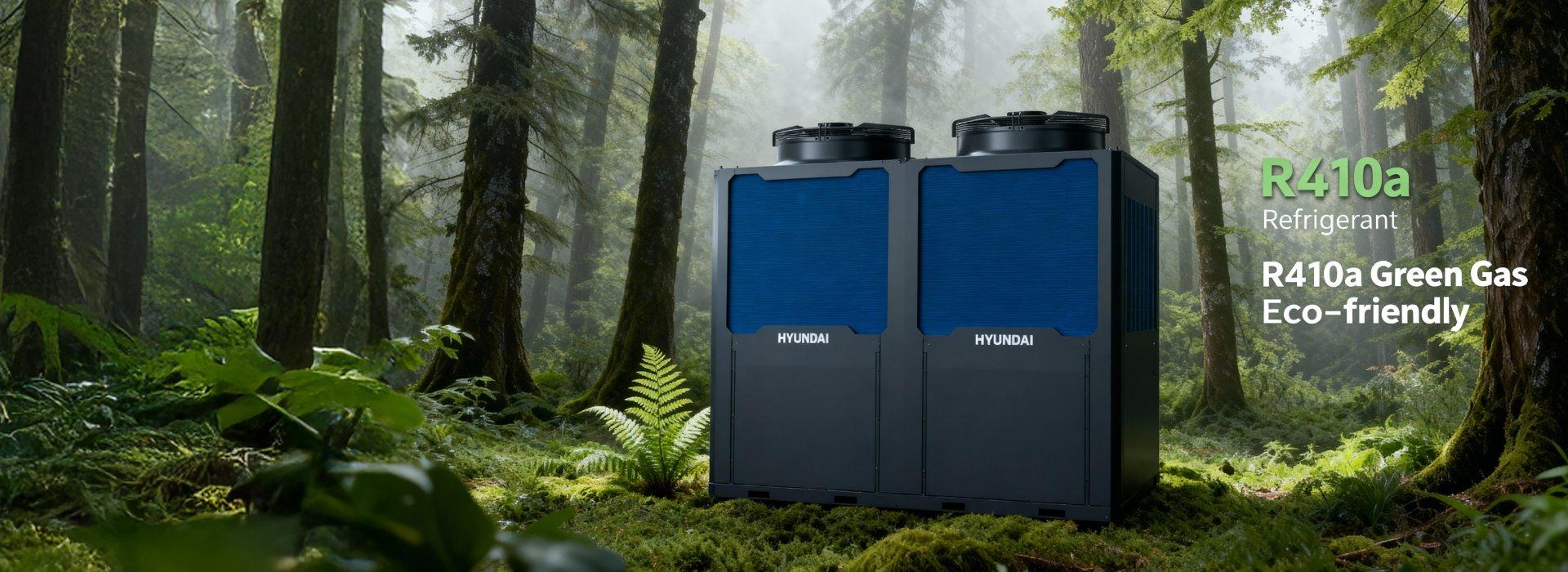
Sort the location early — and check the refrigerant, since a modern R290 green refrigerant runs cleaner than older options. Good airflow keeps efficiency high and protects the compressor over the long run.
The line between an industrial vs domestic water heat pump is process scale and continuous demand. Domestic units heat water in short bursts for a family. Industrial units run near-constantly, feeding factories, large campuses, or process lines that need thousands of litres without pause. Commercial sits between the two, serving busy buildings but not full industrial process loads.
Think of it as a spectrum, not three sealed boxes. Home use is light and intermittent. Commercial use is heavy but scheduled. Industrial use is heavy and near-continuous, so it demands rugged, always-on equipment built for that duty cycle.
Name your duty cycle first. That single answer usually points you to the right category faster than tank size alone.
Start with three questions: how many people, how sharp is the peak, and what power supply do you have. Answer those and the category picks itself. Homes with light demand stay domestic. Hotels, hostels, gyms, and PGs go commercial. Factories and campuses go industrial. Get sizing right at the start to avoid cold water or wasted spend.
Work through the questions in order. Each one narrows your choice. Peak demand and power supply are the two that most often decide between a domestic and commercial system, so settle those before comparing individual models.
Nail these basics and the model shortlist becomes obvious. Sort your peak demand and power supply, and the domestic-or-commercial split answers itself.
"We run a 120-bed hostel, and the morning rush used to leave students with cold showers. The commercial system fixed that overnight." — Arvind Nair, Hostel Manager, Coimbatore
Q: Can a domestic heat pump water heater work for a small guesthouse?
Only for very light demand. A small guesthouse with a few rooms and staggered use might manage on a large domestic unit. But sharp morning peaks usually need a commercial system with faster recovery to avoid cold water complaints.
Q: Do commercial heat pump water heaters need three-phase power?
Yes, most do. Commercial units run bigger compressors and cascade systems that a single-phase line cannot safely carry. Confirm your site has a three-phase connection, or budget for an upgrade, before ordering any commercial heat pump water heater.
Q: Are heat pump water heaters worth it in India's climate?
Generally, yes. India's warm ambient temperatures across most regions help air source heat pumps in India run at high efficiency for much of the year. Efficiency dips slightly on cold winter mornings but stays well above traditional electric geysers overall.
Q: How long do commercial heat pump water heaters last?
With proper installation and servicing, commercial units commonly last many years of heavy daily use. Regular maintenance of filters, refrigerant, and airflow keeps efficiency high and protects the compressor over the system's full working life.
Q: What is the difference between commercial and industrial heat pumps?
Commercial units serve busy buildings like hotels and gyms with scheduled peak demand. Industrial units run near-continuously for factories and large campuses, handling thousands of litres for process loads. Industrial equipment is built for rugged, always-on operation.
Q: Can heat pump water heaters replace multiple electric geysers?
Yes. One correctly sized commercial heat pump can replace several electric geysers, cutting power bills sharply. This is a common upgrade for hotels and hostels that previously ran many high-power resistance heaters across different floors and rooms.
Choosing between a domestic vs commercial heat pump water heater really comes down to scale: how many people, how sharp your peak, and what power supply you have. Homes stay domestic; hotels, hostels, gyms, and PGs go commercial; factories go industrial. Match the system to your busiest hour and you get steady hot water plus lower bills for years.
Ready to size the right system? Talk to a Hyundai heat pump specialist for a demand assessment matched to your building — home, hostel, gym, or hotel.
No related articles found.

Dehumidifier vs Air Conditioner: Which Is Right for You?
24 July 2026
What Are Industrial Heat Pumps and How They Work
24 July 2026

Pool Heater: Heat Pump vs Solar vs Gas Compared │ Hyundai
23 July 2026
Heat Pump ROI Calculator in India: Payback Guide
17 July 2026
Air-to-Water vs Air-to-Air Heat Pump Explained │ Hyundai
10 July 2026
Heat Pump vs AC: Which Is Better for Indian Homes?
01 June 2026
No related articles found.