Author: Hyundai Heat Pump
Published on: 24 April 2026

Heat pumps cost more upfront but save up to 60–70% electricity long-term, while geysers are cheaper initially but expensive to run. For Indian homes, heat pumps offer better ROI within 2–4 years.
Choosing between a heat pump and an electric geyser is one of the most important decisions for Indian households in 2026. With rising electricity prices and increasing demand for energy efficiency, the traditional geyser is no longer the only option.
While geysers are affordable and easy to install, they consume significantly more electricity over time. Heat pumps, on the other hand, use advanced technology to reduce energy consumption while delivering the same output. This guide provides a complete cost comparison, helping you decide which system is better for your needs.
A heat pump is better for long-term savings and efficiency, while a geyser is cheaper upfront. Heat pumps use up to 60–70% less electricity, making them more cost-effective over time.
A heat pump and an electric geyser differ mainly in how they generate heat. A geyser uses direct electrical resistance to heat water, while a heat pump transfers heat from the air, making it far more efficient.
This fundamental difference impacts electricity consumption, cost, and long-term savings. Heat pumps are ideal for high usage, while geysers suit low or occasional use. Understanding this difference is key to choosing the right system.
Both systems provide hot water but operate using completely different technologies. Geysers rely on heating elements, while heat pumps use refrigerant cycles to move heat.
This difference directly affects efficiency and cost.
This difference explains why heat pumps are more efficient. Since they move heat instead of generating it, energy consumption is significantly lower. This results in major long-term savings for Indian households.
The cost comparison includes both upfront cost and long-term running cost. While geysers are cheaper initially, their electricity consumption makes them expensive over time.
Heat pumps require higher initial investment but provide substantial savings in monthly electricity bills. Over time, they become more economical than geysers.
| Factor | Heat Pump | Electric Geyser |
|---|---|---|
| Initial Cost | ₹80,000 – ₹5,00,000 | ₹5,000 – ₹15,000 |
| Running Cost/hour | ₹3 – ₹8 | ₹12 – ₹20 |
| Monthly Cost | ₹300 – ₹800 | ₹600 – ₹1500+ |
| Efficiency | 300–400% | 90–100% |
| Lifespan | 10–15 years | 5–8 years |
Running cost is where the biggest difference appears between the two systems. Heat pumps consume much less electricity compared to geysers.
This makes them more cost-effective in the long run.
This cost difference makes heat pumps a better investment. Over time, savings outweigh the initial cost. This is why they are gaining popularity in India.
A heat pump costs around ₹3–₹8 per hour to run in India, depending on electricity rates and system efficiency.
Both systems have advantages and disadvantages depending on usage, budget, and requirements. Heat pumps are efficient but expensive upfront, while geysers are affordable but costly to operate.
Understanding these pros and cons helps in making an informed decision.

Each system has strengths and limitations based on performance and cost.
Choosing depends on your priorities.
Heat pumps are better for long-term savings. Geysers are suitable for short-term or low usage scenarios. The right choice depends on your budget and usage pattern.
Heat pumps are efficient but not perfect. They come with certain limitations that users should understand before investing.
Most disadvantages are related to installation and initial cost.
Heat pumps require proper planning and installation.
Understanding these helps avoid future issues.
Despite these drawbacks, long-term benefits are significant. Proper installation can minimise most issues. This makes heat pumps a reliable long-term solution.
The main disadvantages include high upfront cost, slower heating, and requirement for outdoor installation space. However, these are offset by long-term energy savings.
Some users report itching after using geyser water, especially in areas with hard water. This is not caused by the geyser itself but by mineral content in the water.
Hard water combined with heating can sometimes irritate the skin.
Water quality plays a major role in skin reactions.Heating water can amplify certain effects.
Using filters can reduce this issue significantly. Modern systems also help maintain water quality. Proper maintenance improves overall experience.
Geyser water itself does not cause itching, but hard water minerals and impurities can irritate the skin when heated.
Choosing between a heat pump and a geyser depends on your usage, budget, and long-term goals. If you are looking for short-term affordability, a geyser is suitable.
However, for long-term savings and sustainability, a heat pump is the better option.
Your choice should depend on usage and financial planning.Consider both short-term and long-term benefits.
Heat pumps are the future of water heating in India. They provide better efficiency and savings over time. For most modern households, they are the smarter choice.
Heat pumps clearly outperform electric geysers in terms of efficiency, cost savings, and sustainability. While the upfront cost is higher, the long-term financial and environmental benefits make them the better investment.
👉 If your goal is lower electricity bills + future-ready solution, a heat pump is the best choice in India.
No related articles found.

Heat Pump for Hospitals: A Guide to Reliable and Energy-Efficient Hot Water Systems
11 September 2026
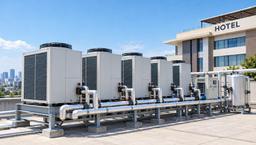
Heat Pump for Hotels: How to Reduce Hot Water Energy Costs Without Compromising Guest Comfort
10 September 2026
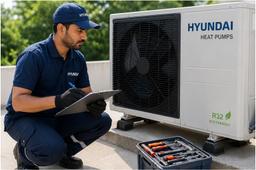
Heat Pump Maintenance Guide: How to Keep Your System Efficient and Reliable
02 September 2026
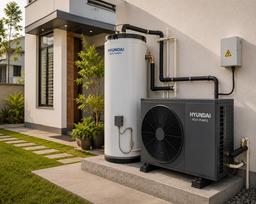
Heat Pump Water Heater for Home: How to Choose the Right System for Your Household
02 September 2026
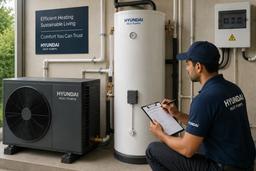
Heat Pump Water Heater Installation: Requirements, Process and Key Considerations
02 September 2026

Dehumidifier vs Air Conditioner: Which Is Right for You?
24 July 2026
No related articles found.