Author: Hyundai Heat Pump
Published on: 20 May 2026
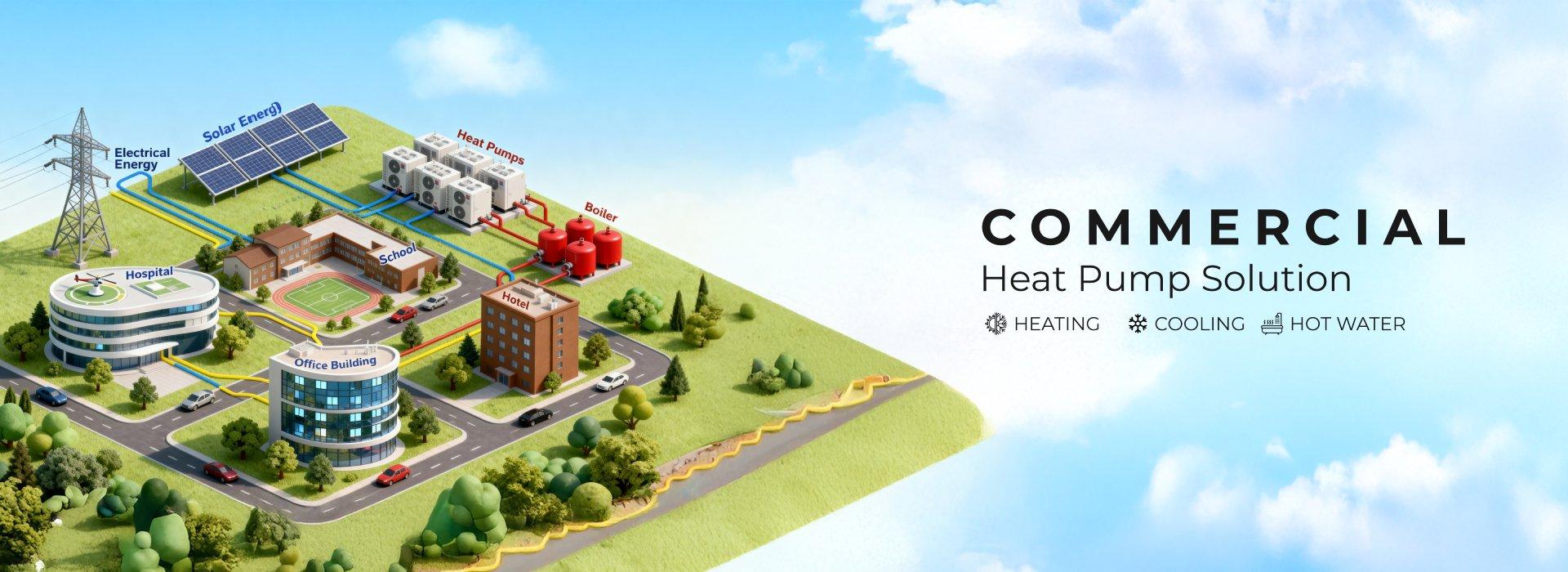
Most Indian homes still rely on geysers that burn through electricity to heat water. A heat pump does the same job using 60 to 70% less power and doubles as a cooling system, too. If your electricity bill feels painfully high, this guide is for you.
Here we'll learn what a heat pump is, how it works, and which type fits your home. Further, we will discuss why thousands of Indian households are choosing Hyundai heat pumps as their new standard.
A heat pump is an energy-efficient appliance that moves heat from one place to another instead of generating it. It extracts warmth from outdoor air and transfers it into your home or water tank. In cooling mode, it works in reverse, exactly like an air conditioner. Because it moves heat rather than creating it, a heat pump is 3 to 4× more efficient than a standard electric geyser or heater.
A heat pump follows a simple 5-step refrigeration cycle. It collects heat from outdoor air, compresses and amplifies it, then releases it inside your home or water tank. No flame. No heating element. Just smart physics.
The heart of the system is the refrigerant, a fluid that absorbs heat at low pressure and releases it at high pressure. The compressor controls that pressure shift. This is the same science that keeps your refrigerator cold, just running in a useful direction.
For every 1 unit of electricity consumed, a quality heat pump delivers 3–5 units of usable heat. That ratio is the Coefficient of Performance (COP), the single most important number when comparing heat pumps.
Want a deeper technical breakdown? Read our detailed guide on how a heat pump works, including diagrams of each cycle stage.
Three main types of heat pumps are available for Indian homes and businesses. Each draws heat from a different source: air, water, or ground, and suits different applications.
Air source heat pumps (ASHPs) are the most common type in India. They pull heat directly from outdoor air and are the most cost-effective to install. They work reliably across all Indian climate zones, from humid coastal cities to dry northern plains.
Air source heat pumps are what most Indian homeowners choose first, and for good reason. They're proven, widely serviced, and available in capacities from 100L to 300L.
Heat pump water heaters are purpose-built for domestic hot water. They're the direct replacement for your electric geyser, with the same plumbing connection and dramatically lower running cost. Compare heat pump water heater options to find the right capacity for your household.
Water source heat pumps extract heat from a nearby river, lake, or well. Ground source systems draw heat from below the earth's surface. Both types are more efficient than air source but require more complex installation.
A heat pump and an air conditioner share the same core technology: a refrigerant, a compressor, and two coils. The difference is in function and direction. An AC only cools. A heat pump heats and cools. A geyser only heats water, and it does it far less efficiently.
| Feature | Heat Pump | Standard AC | Electric Geyser |
|---|---|---|---|
| Function | Heating + Cooling | Cooling only | Hot water only |
| Energy use | Moves heat (very efficient) | Removes heat (moderate) | Generates heat (wasteful) |
| COP / Efficiency | 3–5× input energy | 2–3× input energy | ~0.9× input energy |
| Hot Water | Yes (HPWH models) | No | Yes |
| Installation Cost | Moderate–High | Low–Moderate | Low |
| Running Cost | Very Low | Moderate | High |
| Carbon Footprint | Very Low | Moderate | High |
| Best For | Year-round home use | Cooling-only climates | Budget water heating |
For Indian homes that need hot water and climate control, a heat pump system covers both needs. A split-system reverse-cycle heat pump replaces your AC entirely. A heat pump water heater replaces your geyser with no other changes needed.
See the full breakdown in our dedicated heat pump vs AC comparison guide.
A standard 2kW electric geyser uses 2 units of electricity to produce 2 units of heat, a 1:1 ratio. A heat pump with a COP of 4 uses 1 unit of electricity to produce 4 units of heat. That 4:1 ratio is the reason Indian homeowners are switching.
| Appliance | Annual kWh Used | Annual Cost (₹7–10/unit) |
|---|---|---|
| Electric Geyser (2kW) | ~1,825 kWh | ₹13,000–₹18,000 |
| Hyundai Heat Pump (COP 4) | ~456 kWh | ₹3,200–₹4,500 |
| Annual Saving | ~1,369 kWh | ₹9,500–₹13,500 |
At current Indian electricity rates of ₹7–10 per unit, a Hyundai heat pump water heater saves a family of four ₹9,500–₹13,500 every year. Most 150L–200L models pay for themselves within 3–4 years.
"We replaced our 25L geyser with a Hyundai heat pump last year. Our electricity bill dropped by ₹1,100 every month. It was the best investment we made for the house."
— Rajesh Menon, Homeowner, Kochi
Heat pump efficiency is measured with two key numbers: COP (Coefficient of Performance) for heating, and SEER (Seasonal Energy Efficiency Ratio) for cooling. Understanding both helps you compare models and predict real-world savings.
COP measures how much usable heat you get for every unit of electricity spent. A COP of 4 means you get 4 kWh of heat from 1 kWh of electricity. Higher COP = lower running cost.
SEER measures cooling efficiency across a full season rather than a single moment. It's the heat pump equivalent of the star rating on your air conditioner. For Indian conditions, a SEER of 5 and above is excellent.
All Hyundai heat pump models are tested under Bureau of Energy Efficiency (BEE) standards, the same body that rates your refrigerator and air conditioner. You can verify any product's energy rating on the official BEE star label registry.
Heat pumps serve a wider range of applications than most people expect. In India, demand is growing across residential homes, hotels, hospitals, dairy plants, and industrial facilities, all driven by the same goal: lower energy costs and reliable hot water or process heat.
For Indian homes, hot water heating is the primary use case. A heat pump water heater slots into your existing plumbing and starts saving money from day one.
Commercial heat pumps handle larger volumes of hot water or process heat at industrial scale. Hotels, hospitals, and food processing units across India are switching to heat pumps to cut operating costs.
"Our hotel in Jaipur installed a Hyundai heat pump system last year. We've cut water heating costs by 65%. Guests love the consistent pressure and temperature. No complaints since day one."
— Sunita Agarwal, Hotel Manager, Jaipur
Hyundai heat pumps combine global R&D with India-specific engineering. Every model is designed and tested for India's diverse climate, from the humid coastlines of Kerala to the cold winters of Himachal Pradesh. You get global quality with local support.
Every Hyundai heat pump carries ISI certification under BIS standards and BEE star ratings verified by India's Bureau of Energy Efficiency. You're not just buying a product. You're buying peace of mind backed by certified performance data.
Hyundai heat pump water heaters are available in 100L, 150L, 200L, and 300L capacities to suit every household size. All models include smart timer controls, an integrated backup heating element, and auto temperature regulation.
View the complete Hyundai heat pump range with prices and specifications, or speak to a local Hyundai dealer to get a recommendation for your home.
"Hyundai's installation team arrived on time and finished the job in under 3 hours. The technician walked me through the timer settings, and the app controls are incredibly simple to use."
— Priya Sharma, Homeowner, Bengaluru
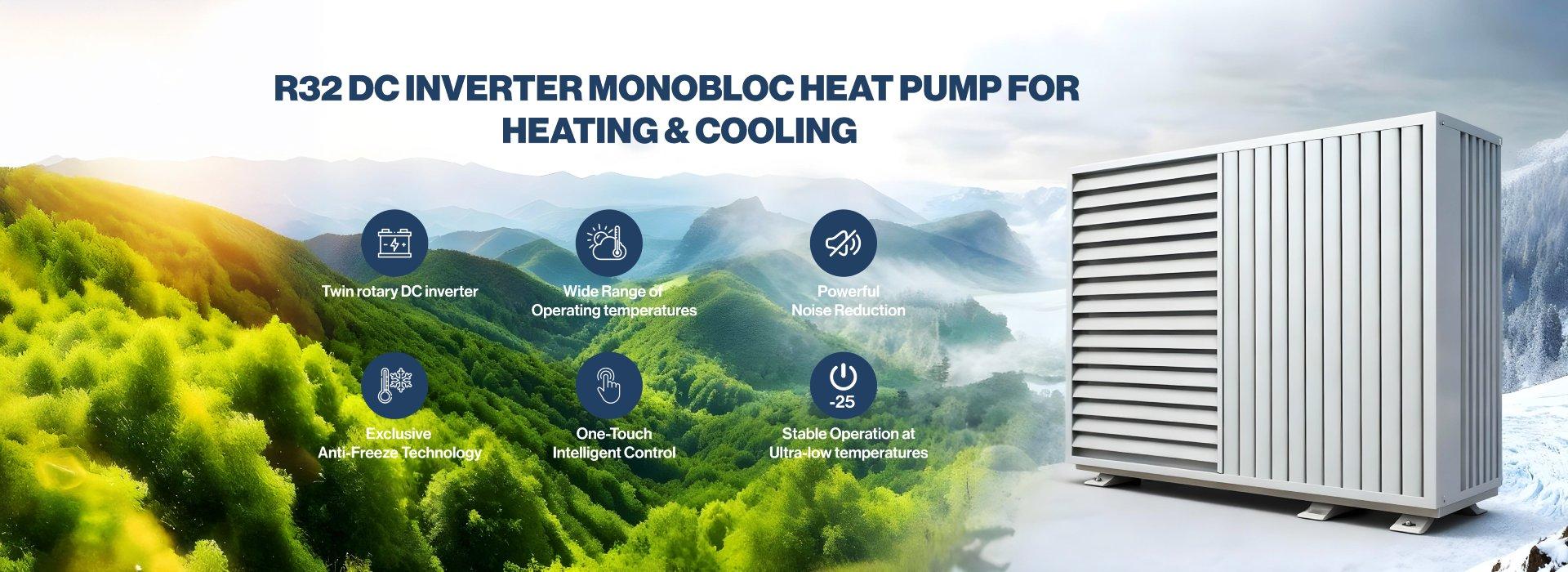
A heat pump is a device that moves heat from one place to another using electricity. Instead of burning fuel or using a heating element, it captures warmth from outdoor air and transfers it into your water tank or home. It's 3–4 times more efficient than a traditional geyser.
Yes, for most homes. A heat pump uses 60–70% less electricity than a standard electric geyser. It costs more upfront but pays for itself in 3–5 years through lower energy bills and lasts 15+ years versus 8–10 years for a standard geyser.
Absolutely. Modern air source heat pumps operate in temperatures ranging from -15°C to 43°C, covering every Indian climate zone. Hyundai heat pumps are specifically tested and certified for Indian conditions, including humid coastal and dry northern climates.
A residential Hyundai heat pump water heater (100L–200L) typically costs ₹40,000–₹90,000 fully installed. Energy savings of ₹9,500–₹13,500 per year mean most units break even within 3–5 years and continue saving money for a decade or more.
Yes. A reverse-cycle heat pump acts as both a heater in winter and an air conditioner in summer. It replaces your AC entirely. Note: heat pump water heaters are dedicated to hot water only and do not have a space cooling function.
A 1.5kW Hyundai heat pump water heater uses roughly 1.5–2 kWh to heat 100 litres of water. A standard 2kW electric geyser uses 5–6 kWh for the same job. The heat pump uses 60–70% less electricity because it moves existing heat rather than creating new heat from scratch.
As a guide: a family of 2–3 suits a 100L model; 3–4 people suits 150L–200L; 5 or more people or a large bungalow needs 200L–300L. Hyundai offers free sizing consultations through its dealer network to help you choose the right capacity.
Yes. Hyundai heat pumps are available through 500+ authorised dealers and service centres across India, covering all major metros, Tier 2 cities, and many Tier 3 locations. Installation, after-sales service, and spare parts are available nationally.
Heat pumps are no longer a premium niche product. They're the practical, proven choice for any Indian home that wants lower electricity bills, reliable hot water, and a smaller carbon footprint. With a COP of 3–5, ISI certification, and a pan-India service network, Hyundai heat pumps deliver everything you need, backed by a warranty and a track record.
The math is simple: spend less on electricity every single month for the next 15 years. Every day you wait is money that stays in your utility bill instead of your pocket.
Browse the full Hyundai heat pump range and current prices, or find your nearest dealer and get a free installation quote today.
No related articles found.
Heat Pump for Hospitals: A Guide to Reliable and Energy-Efficient Hot Water Systems
11 September 2026
Heat Pump for Hotels: How to Reduce Hot Water Energy Costs Without Compromising Guest Comfort
10 September 2026
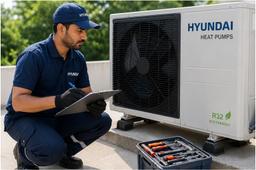
Heat Pump Maintenance Guide: How to Keep Your System Efficient and Reliable
02 September 2026
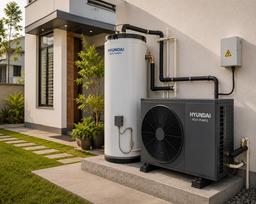
Heat Pump Water Heater for Home: How to Choose the Right System for Your Household
02 September 2026
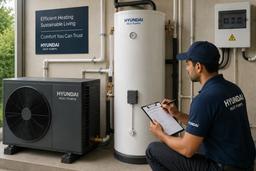
Heat Pump Water Heater Installation: Requirements, Process and Key Considerations
02 September 2026

Dehumidifier vs Air Conditioner: Which Is Right for You?
24 July 2026
No related articles found.